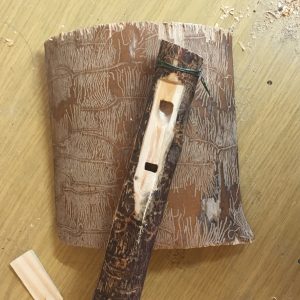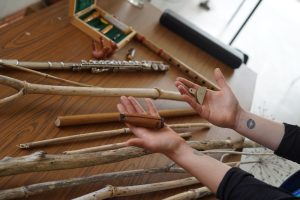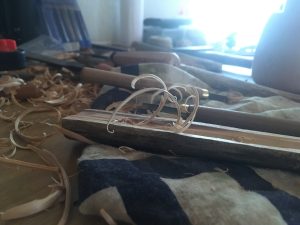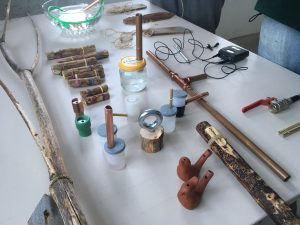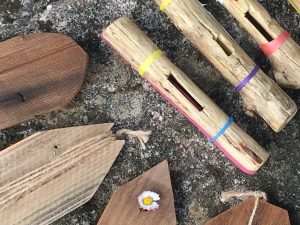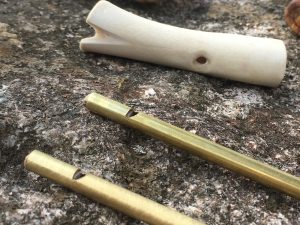
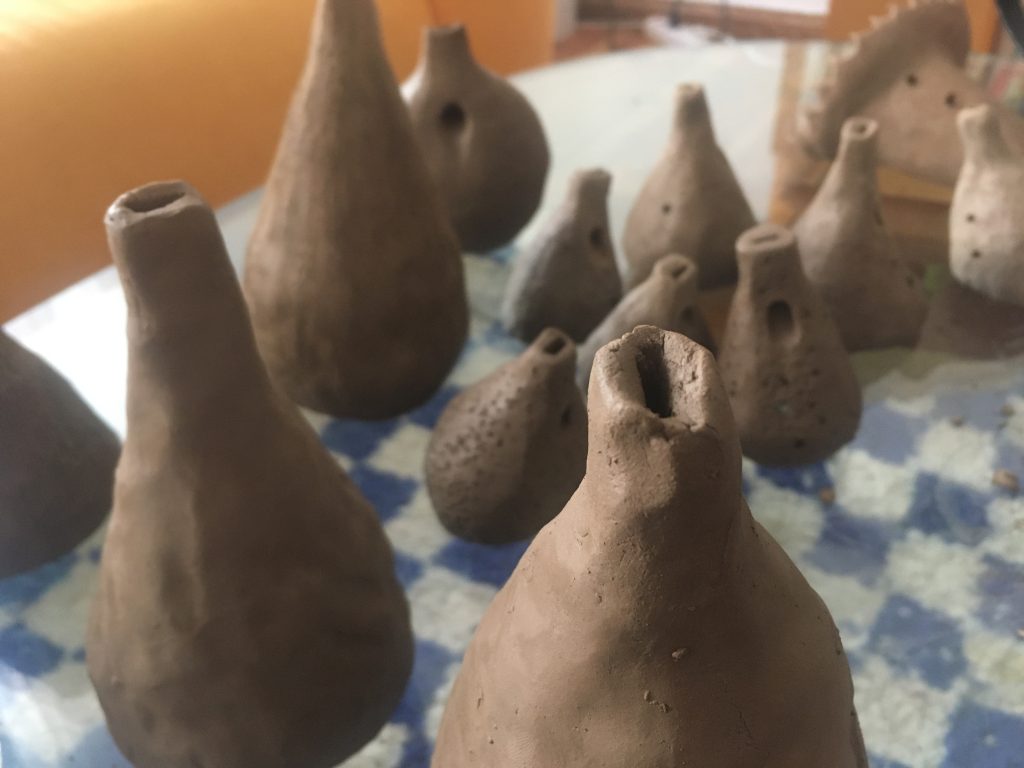
 image by Irene Perez Hernandez
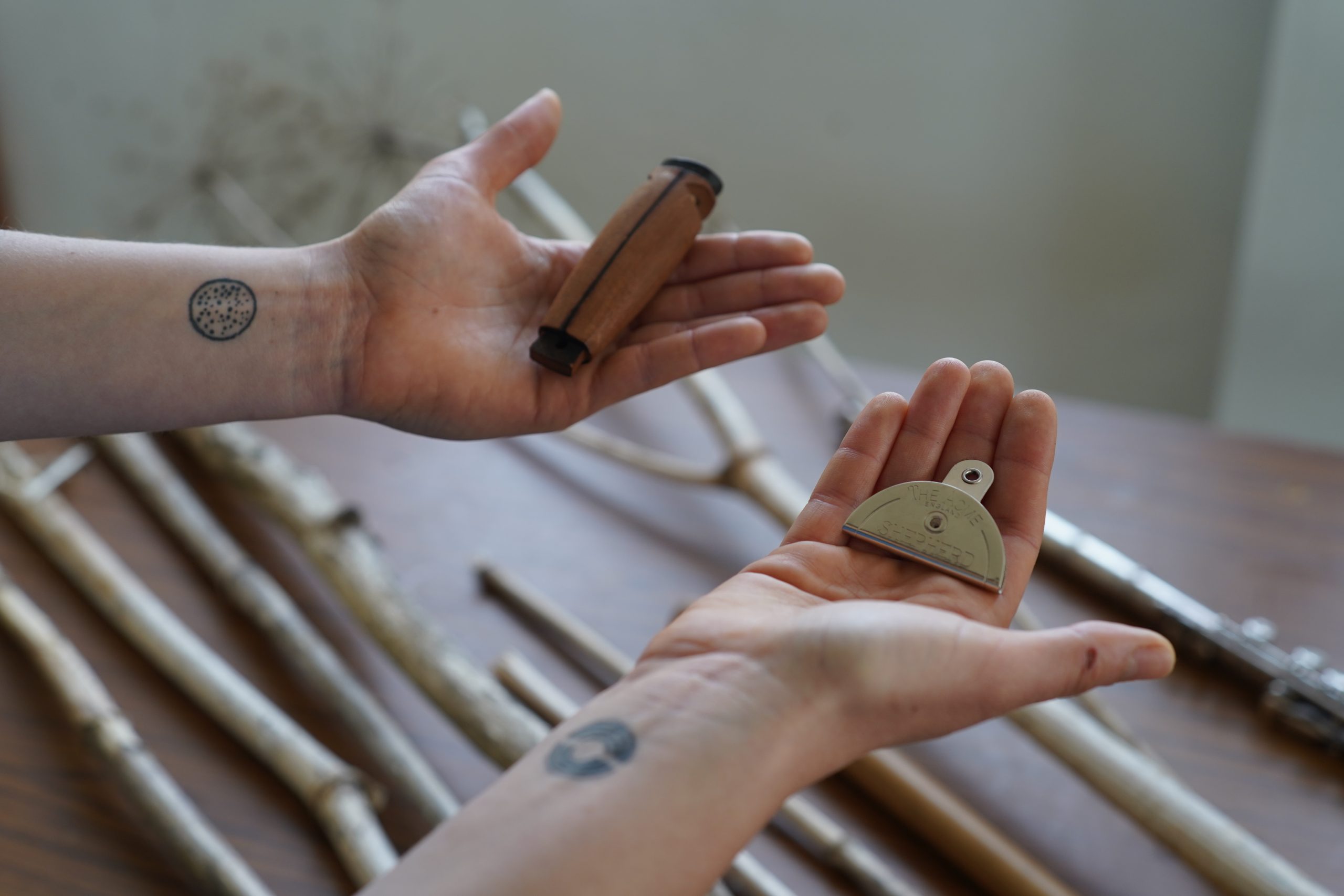
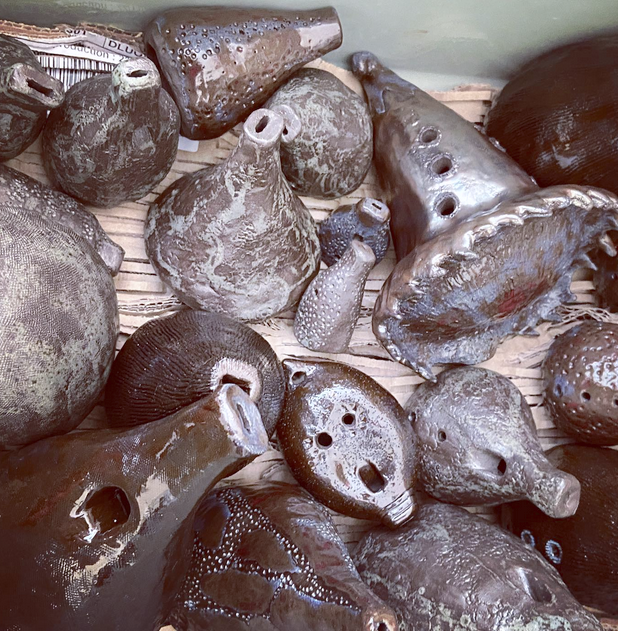
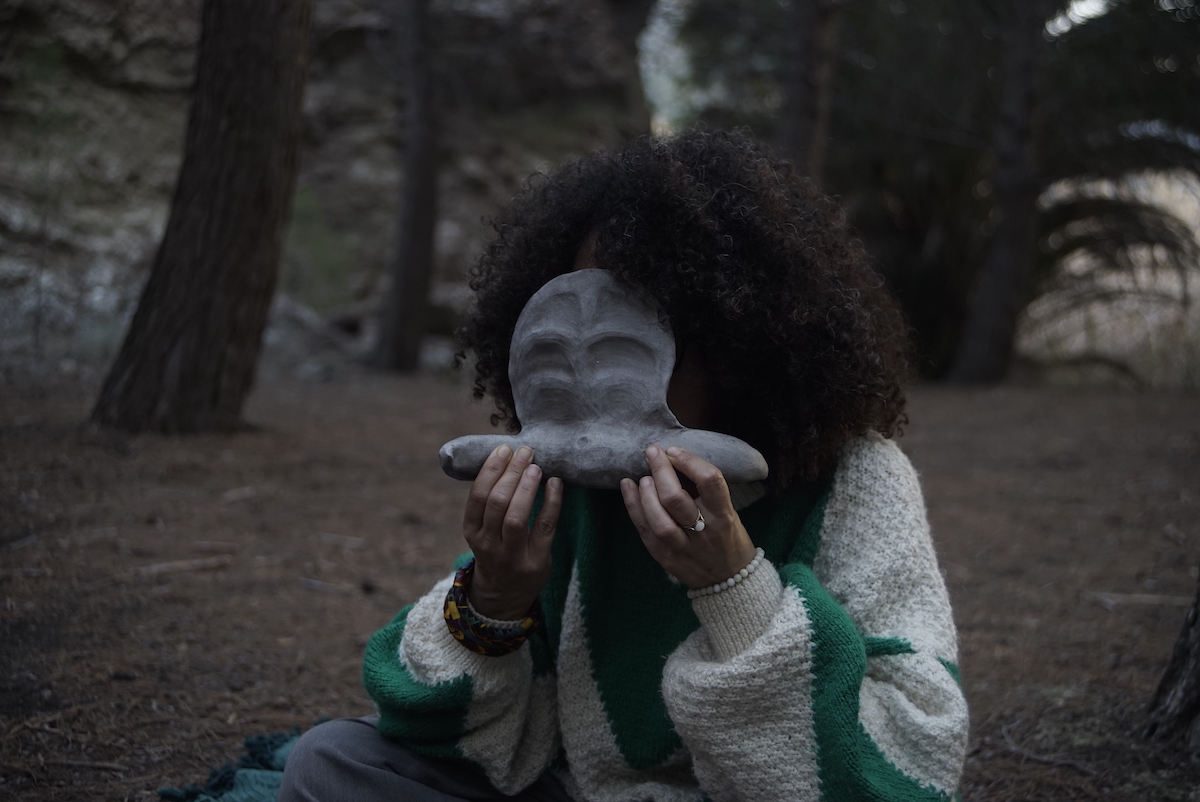 image by Selu Herraiz
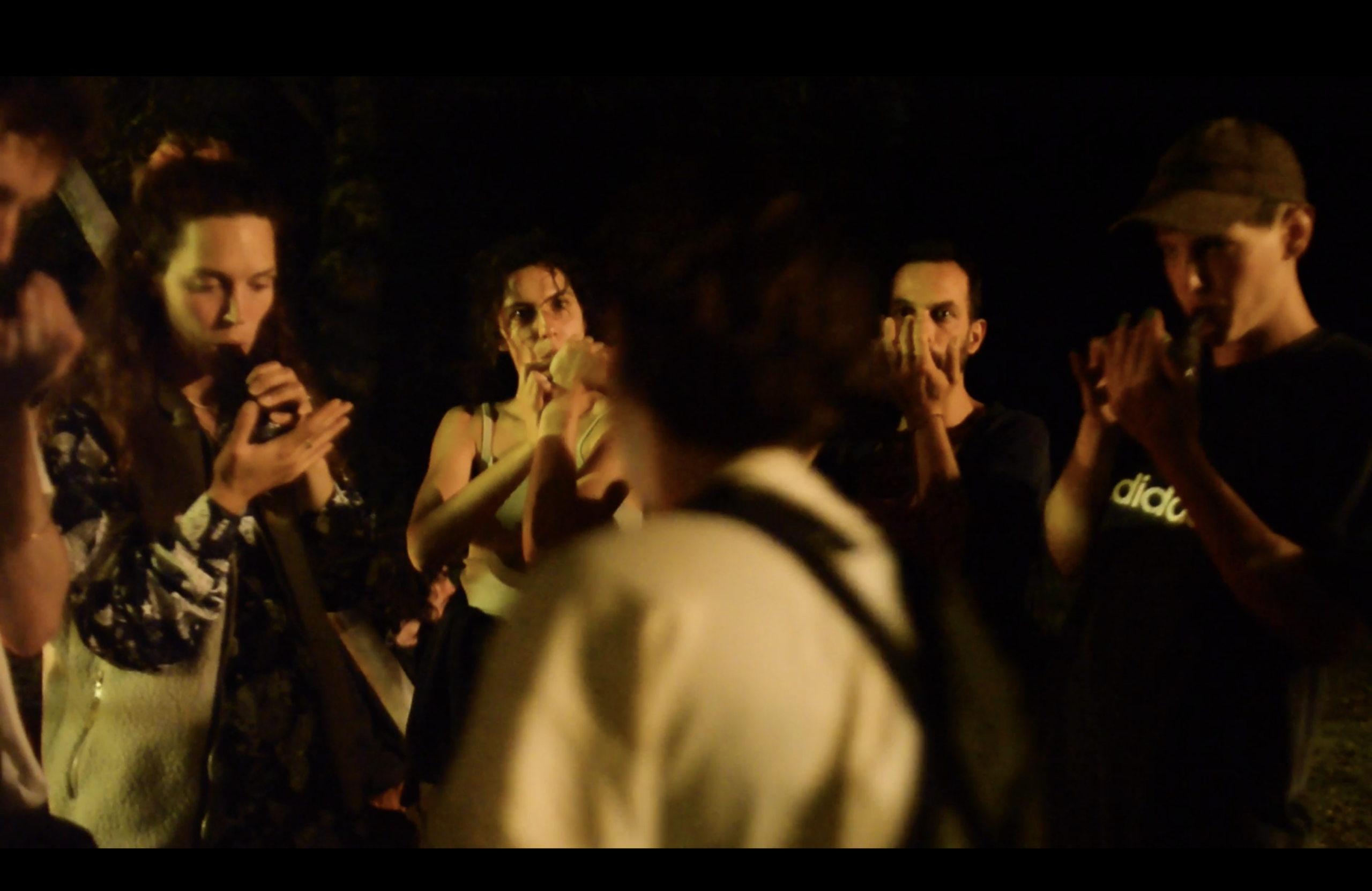 image by Ed Ardour
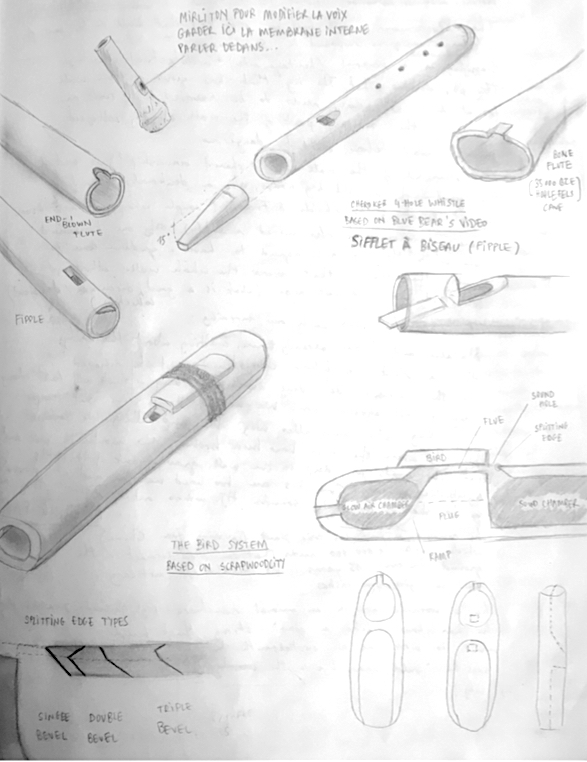
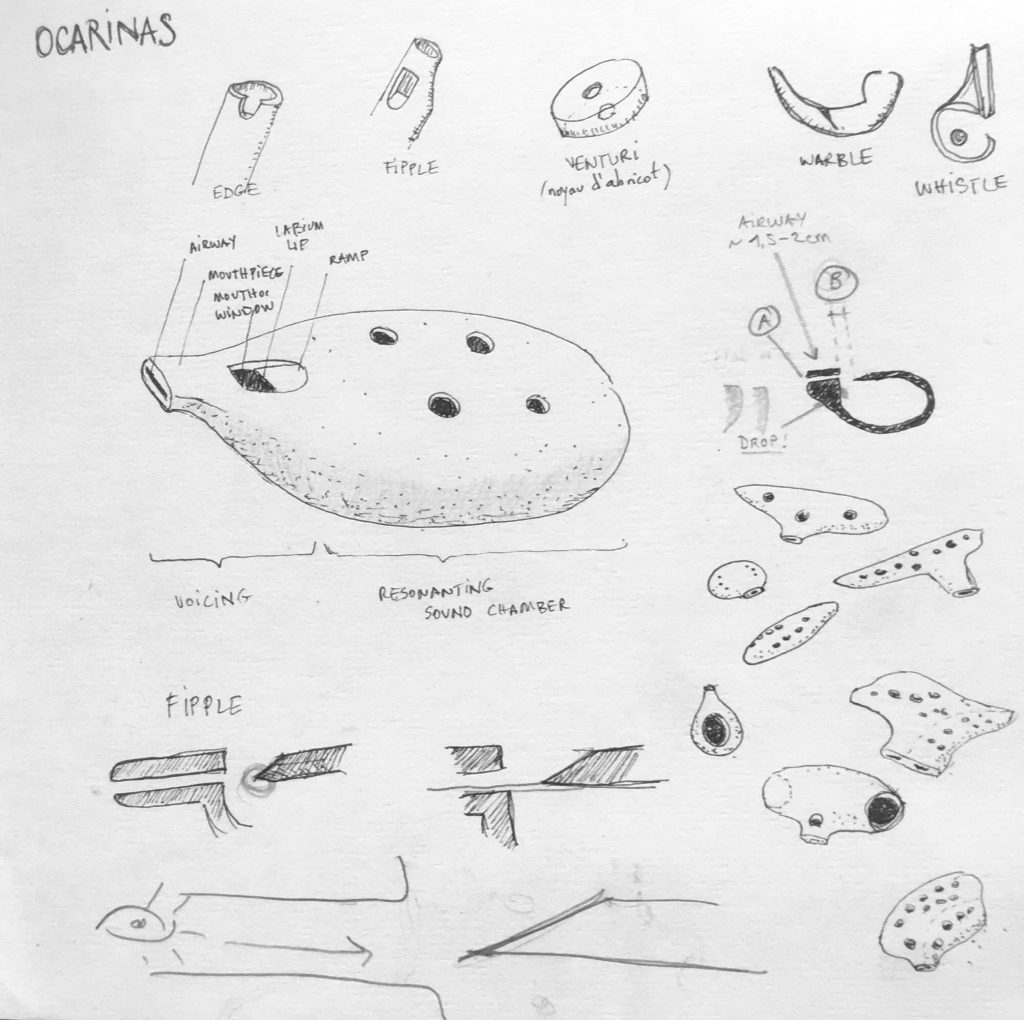

research sketches of flutes, whistles and fipples; drawings of shells by Henri Mondor, in Paul Valery, L’Homme et la coquille, 1937
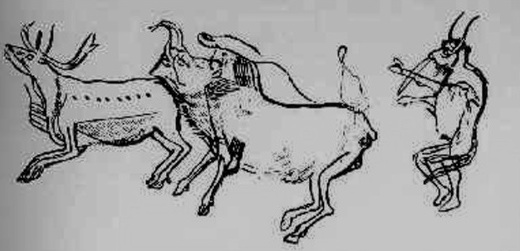
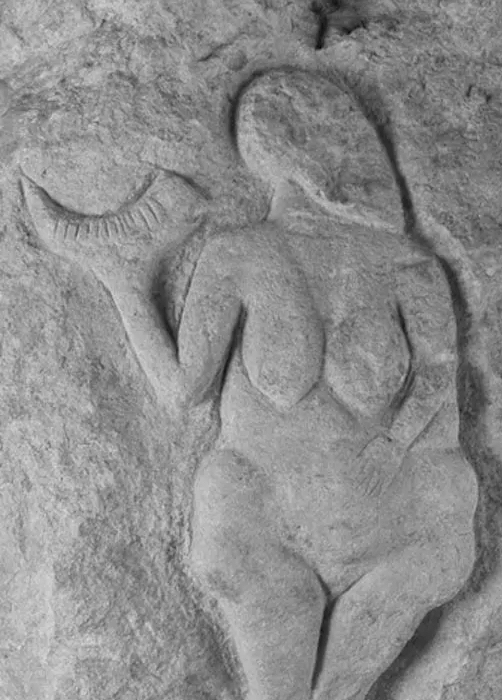
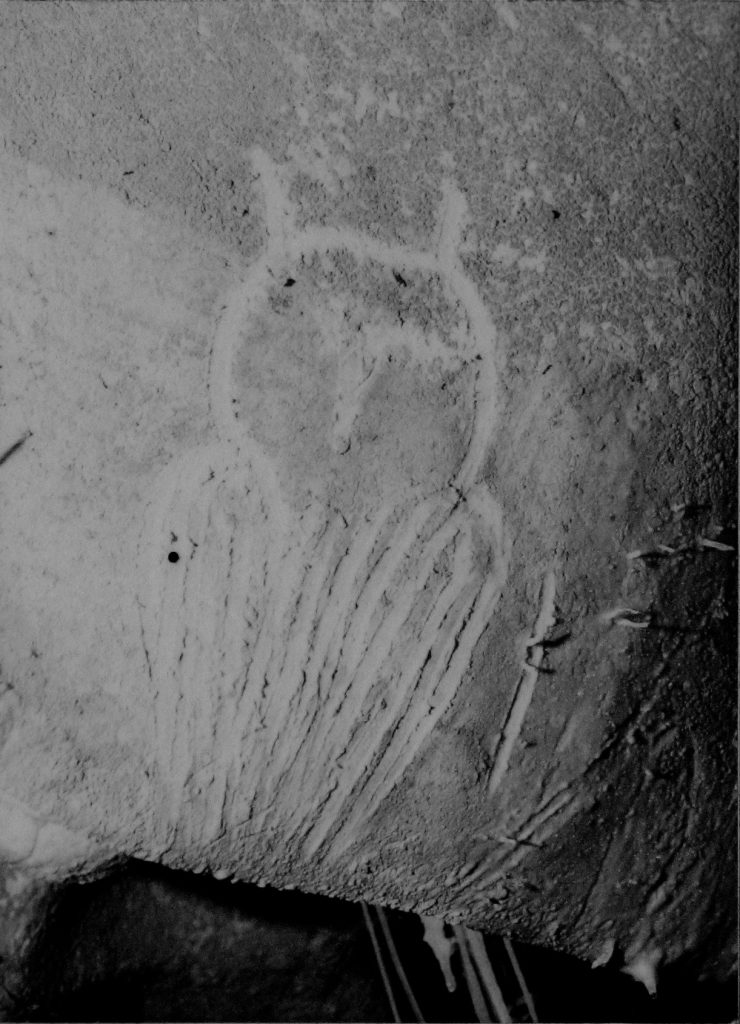
« Petit sorcier à l’arc musical », an engraving from the Grotte des Trois Frères, sometimes considered as the representation of a chaman with a wind or bowed instrument (ca. 17.000 BCE); the Venus de Laussel with her vessel/oxhorn/trumpet, found in a cave in Dordogne (ca. 25.000 BC); Harfang owl engraved in the Chauvet cave, one of the rare representations of birds in parietal art (ca. 36.000 BC).
the alien kin
َو َو ِر َث ُس َل ْي َمـٰ ُن َدا ُوۥ َد ۖ َو َقا َل
يـٰٓأَُّيَهاٱلنَّاُسُع ِّلْمنَاَمنِطَقٱلطَّْيِرَوأُوِتينَاِمنُكِّل
كِّل َشىٍْءۖإَِّن َهـٰذَاَلُهَوٱْلفَْضُلٱْلمُِب ١٦ينُ
And David was succeeded by Solomon, who said,
“O people! We have been taught the language of birds,
and been given everything we need. This is indeed a great privilege.”
Qur’an, 27:16
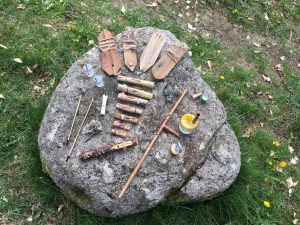
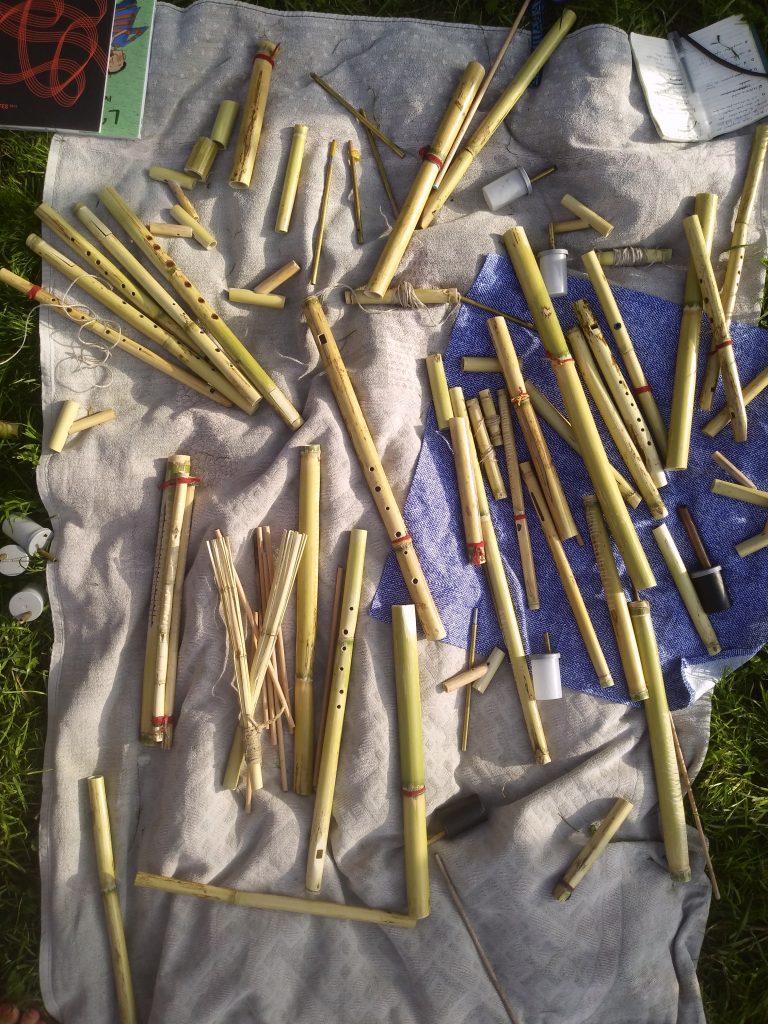
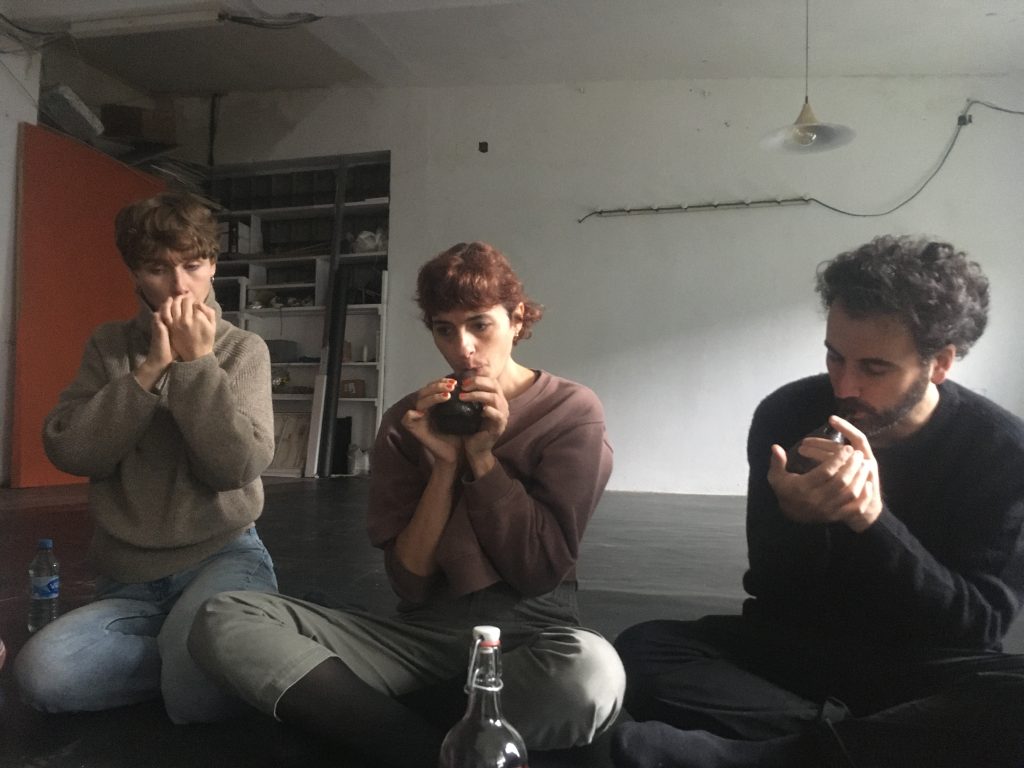
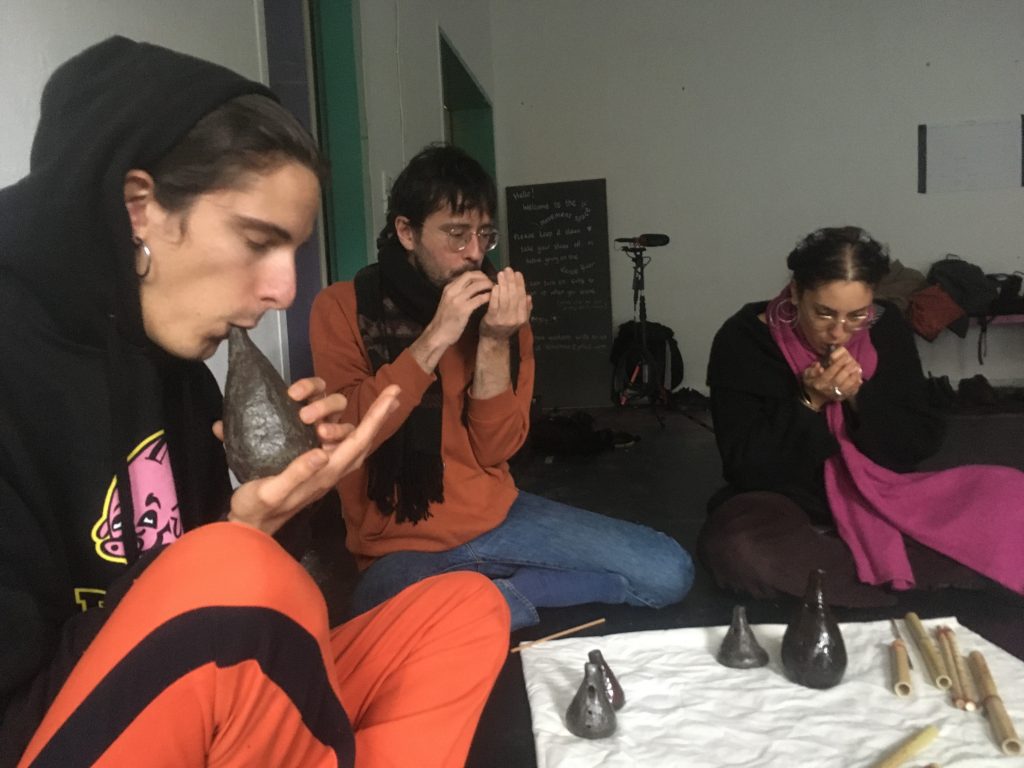
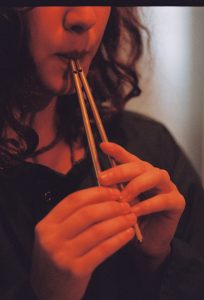
The Alien Kin is an ongoing research and performance project. Using simple handmade instruments (whistles, flutes, ocarinas, percussions), it proposes to collectively develop synchronicity, to explore nonverbal communication, to play around with other, non-human voices, deeply practicing our ability to listen, to imitate, and to respond. Some of the oldest “music” instruments we know may in fact be imitation devices, made to call birds and deer and become invisible in the great forests. Most rhythms that structure ancient and current music have their roots in the syncopated stridulations of insects and amphibians, whose voices manifest diurnal and seasonal cycles.
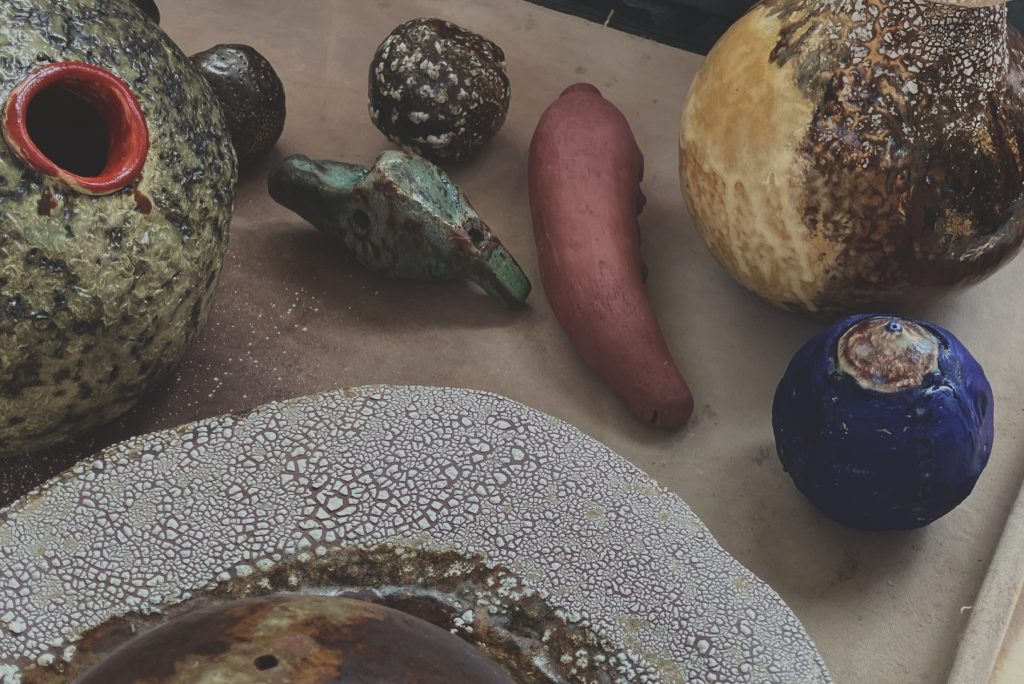
Human lives and ways of living cannot take place or be described in isolation; as all species become caught in the multilayered entanglements of the global economy, we become more and more aware of the disruption of human–animal interactions. The many voices, stories and sounds that compose these interactions all carry meaning, in the sense that they represent something to someone –the natural world is deeply semiotic and deeply sonorous.
The oldest fossils all reveal organs dedicated to making and receiving sounds, pointing to the crucial importance of listening and uttering in evolutionary processes. Research in anthropology and archaeology has extensively investigated the origins of sound-making practices in humans and other species, be they accidental, aesthetically-driven, or simply serendipitous; and some studies on the oldest known wind instruments (40,000 year old bone flutes) seem to imply that they may have been game calls, for deer or birds.
Whether considering the hunter who can imitate bird calls to attract them, or the vocal learning abilities of nightingales who pick up new songs throughout their entire life, the acoustics of particular ecosystems influence all musical practices. And when considering mimicry (a broader term that may include inaccurate, failed or misleading imitation), we are in fact dealing with deception—with the capacity of natural forms to create confusion, a playfulness at the thresholds of coherent analysis.
Timo Maran, in Mimicry and Meaning, points out that the “ability to perceive something as something else appears to have a strong linkage with illusion, belief, magic . . . and imagination” (2017). He insists that mimetic relations need to be understood not in general, but rather as a specific relation between three individuals (the mimic, the model, and the receiver, all linked through the mimetic sign). In this sense, sound mimicry should be understood more as “a multiplicity of things related by family resemblance rather than as a monolith,” according to the musicologist Emily Doolittle (Other Species’ Counterpoint—An Investigation of the Relationship between Human Music and Animal Song, 2007), or indeed as a game, driven or not by direct intentions.
For me, working with game calls is therefore at a crucial intersection that helps understand the kinds of relations that have been woven between humans and animals –hunting, sanctifying, revering, communicating, sacrificing. Doing so through sound, following Milla Tiainen, reminds us of the “distinctive capacity of sound to emerge in and establish relations.” (Milla Tiainen, “Sonic Technoecology,” Australian Feminist Studies 32, 2017).
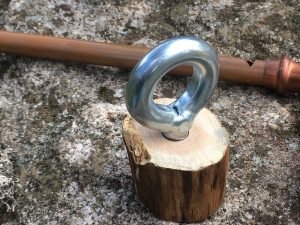
Working in the temperate Black Forest at the border between Germany, France and Switzerland, I became particularly interested in little sound devices usually called bird whistles or game calls in English, appeaux (“caller”) in French, and Wildlocker or Lockjagd in German. Game calls are most often wind instruments that use fipples or reeds to resonate hollow cavities, but they also include rattles, twisted pegs, membranes, and other ways to produce and amplify sound.
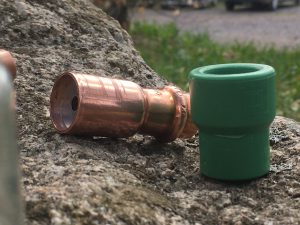
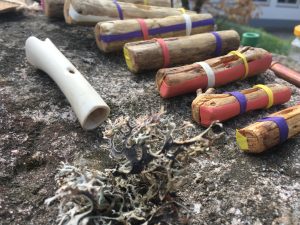
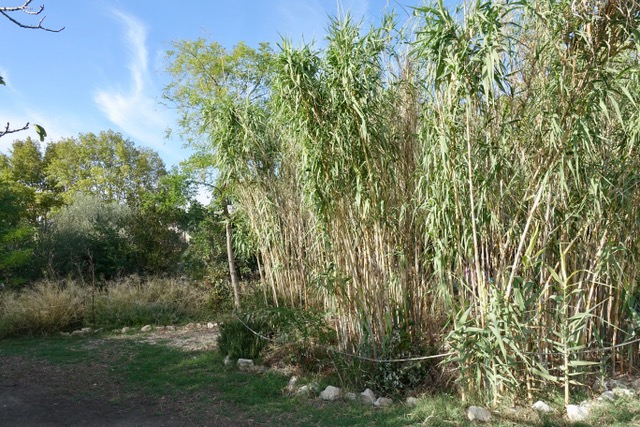
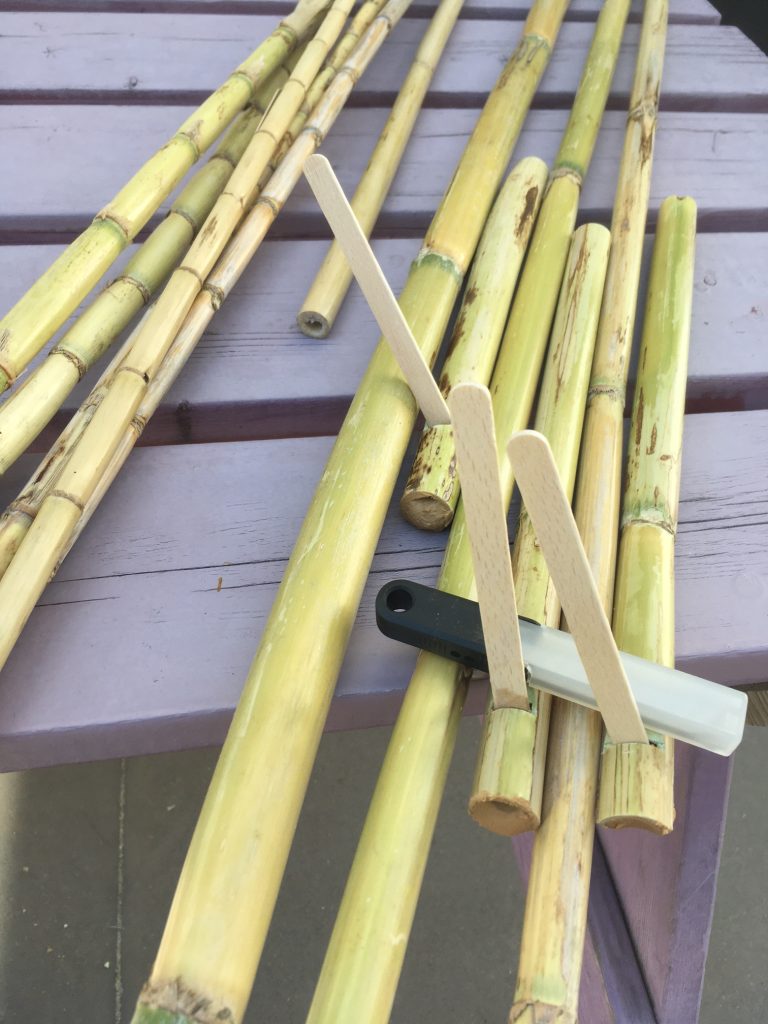
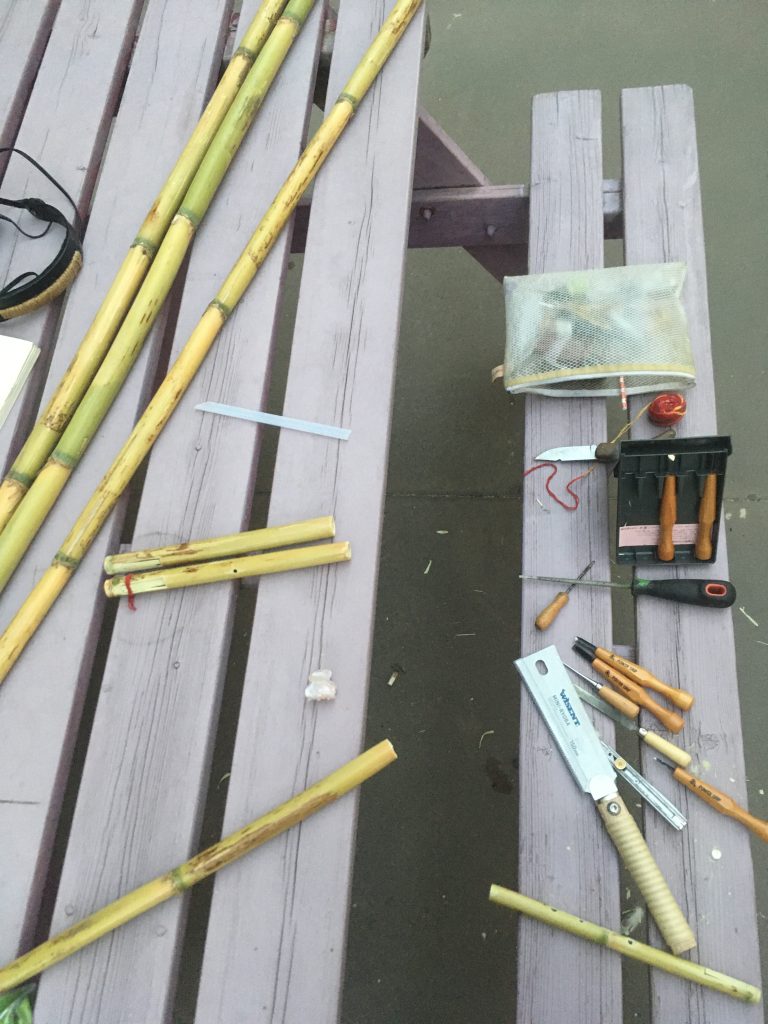
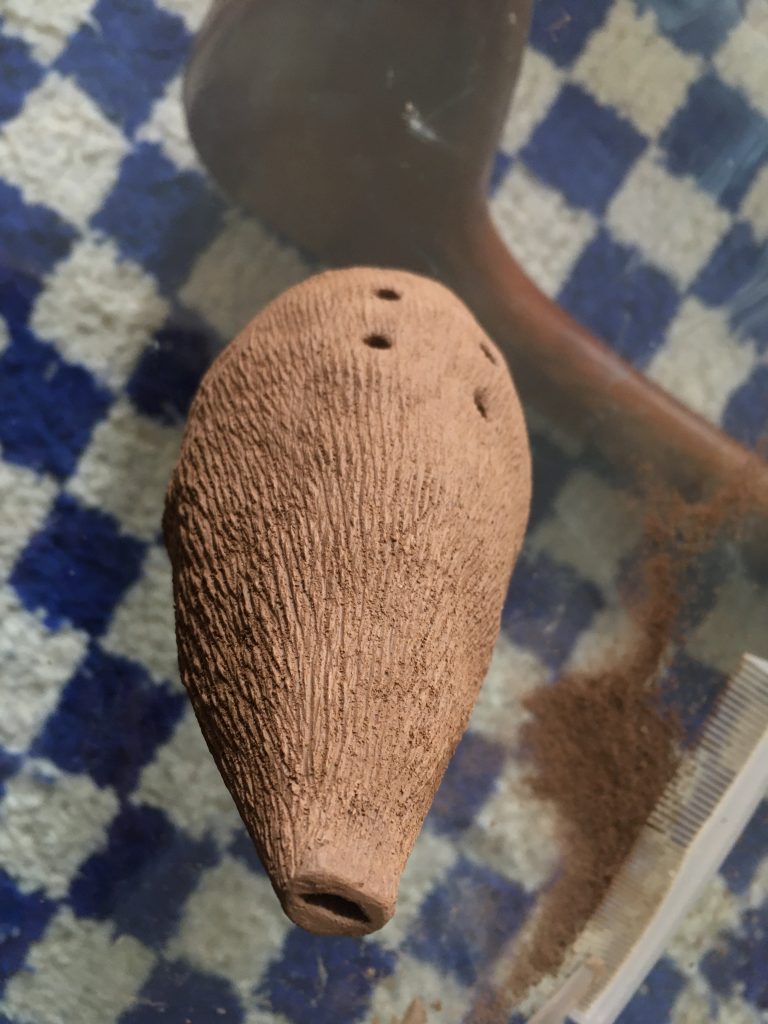
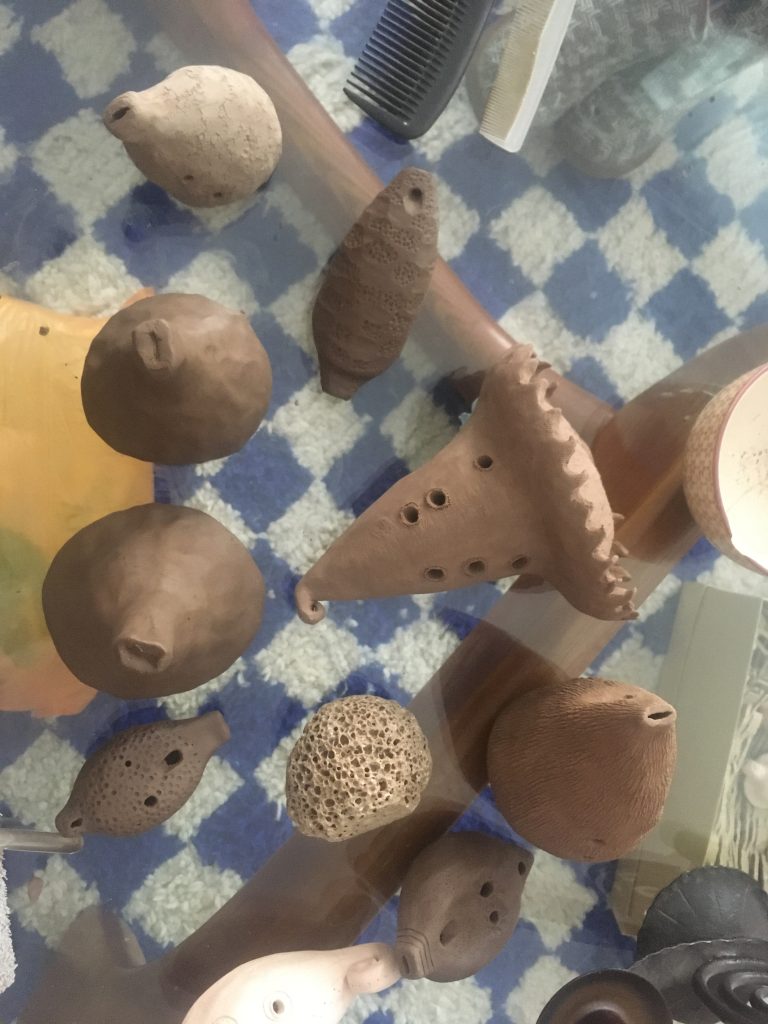
Little by little, I started to craft a collection of these sound devices: copper fipples, spruce recorders, “screaming” whistles, lamb bone edge flutes, rubber membrane geese callers… Later, I started to explore materials like river cane (Arundo Donax), also called the singing reed, a hollow bamboo-like reed which grows all around the Mediterranean and has been used for millenia to craft music instruments, both bodies of flutes (like the ney, the pan flute or the aulos) and wind reeds (like the duduk, the zurna, the clarinette, etc.). Then, I turned to clay, one of the oldest building materials, to explore its sonorities and different physical acoustics. I started harvesting wild clay and processing it; effectively, to quote Valéry, following the path of an animal transforming biological matter into mineral (L’Homme et la coquille, 1937). Globular vessels, to use another term than the limited “ocarina”, are found in ancient cultures throughout the world (and like bone, ceramic is one of the best-conserving materials that we can study).
When assembling the instruments, I choose to associate timbres and frequencies in ways that feel non-intrusive, non-standardized, and as easy to play as possible. I am inspired from Bernie Krause’s niche hypothesis in which different species vocalise in different frequency ranges and different rhythmical patterns to avoid interference and masking. In ensemble performances and workshops, we mainly work on the notions of synchronicity, space and dialogue: how do we inhabit, through sound? how do we call each other, or respond? how do we express an emotional state? how do we feel together as group, or disband as individuals? Most of the instruments are aerophones, which has immediate rhythmical implications since the players need to breathe. It is crucially interesting to wonder –at what point does a chaos of tweets start to feel like a meadow in the woods? When do we begin to “feel” patterns and imagine other bodies, other temporalities?
“Did imitative calls of other species assist our ancestors in hunting? . . . When exactly was it that a person was so adept at producing a call during a hunt that he was asked to do it again for the entertainment of others or taught it to his children as a life-skill?”
– Ian Nagoski, Ecstatic & Wingless: Bird-Imitation on Four Continents, ca. 1910-44, released October 2016, Canary Records
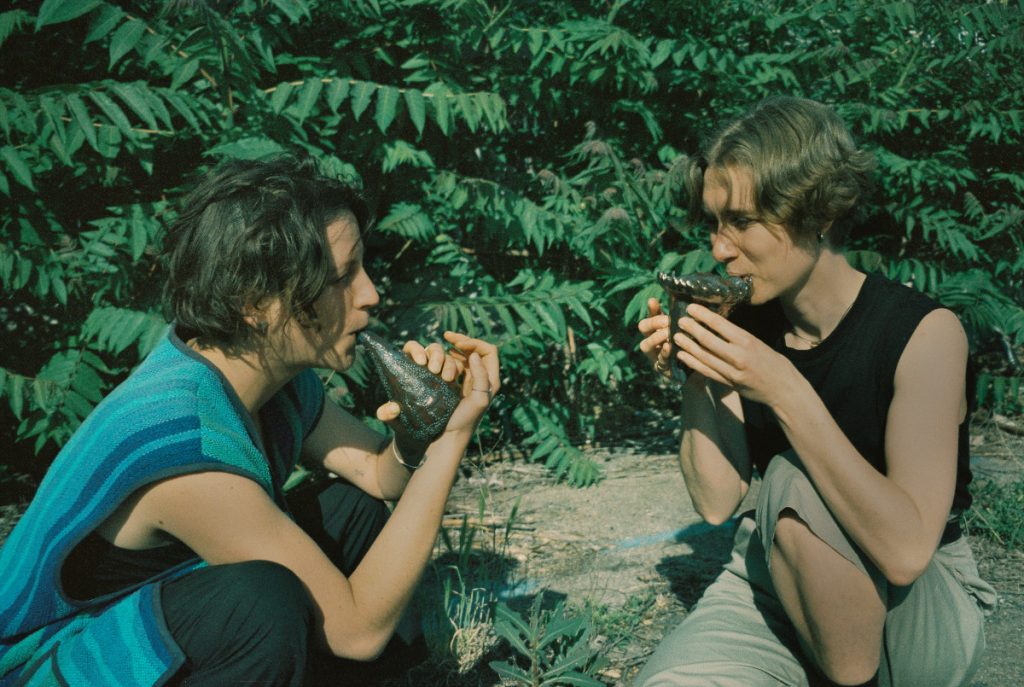
playing the first ceramic ocarinas with Kirstine Elisa Kjeldsen in Berlin, photo by Jessica Garfield
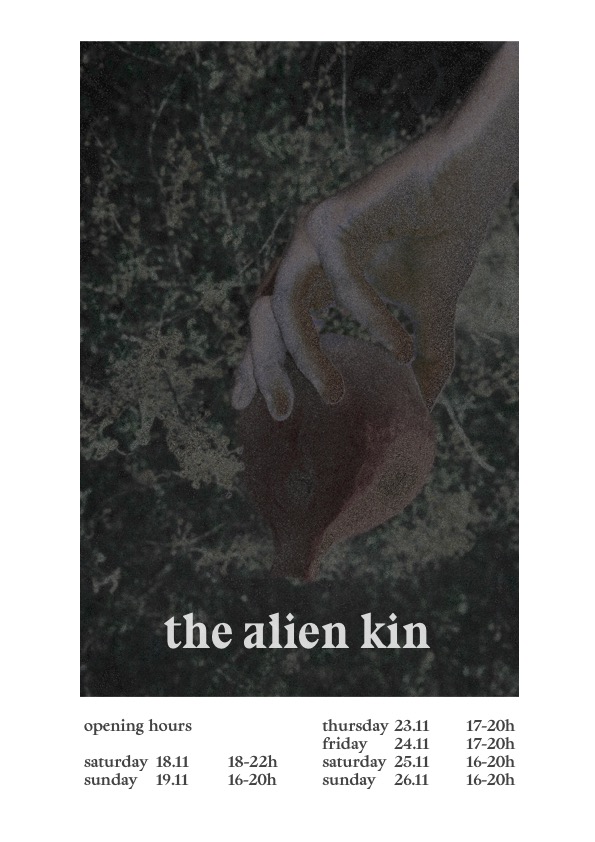
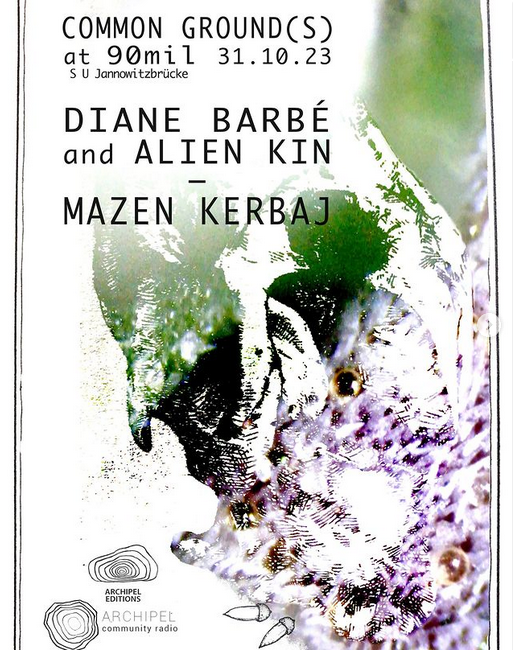
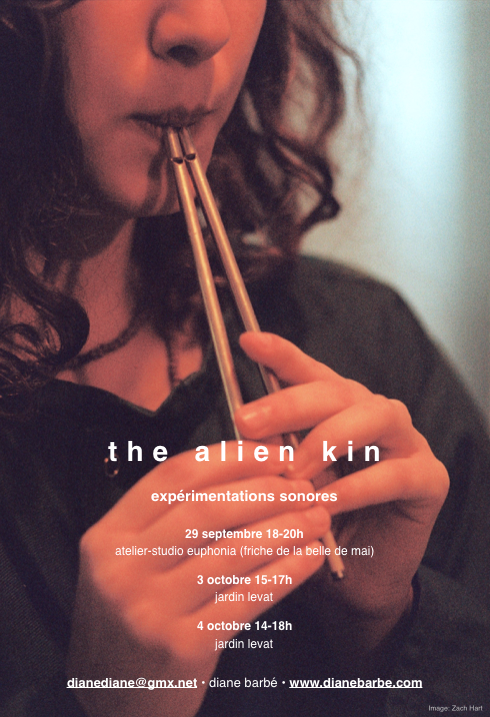
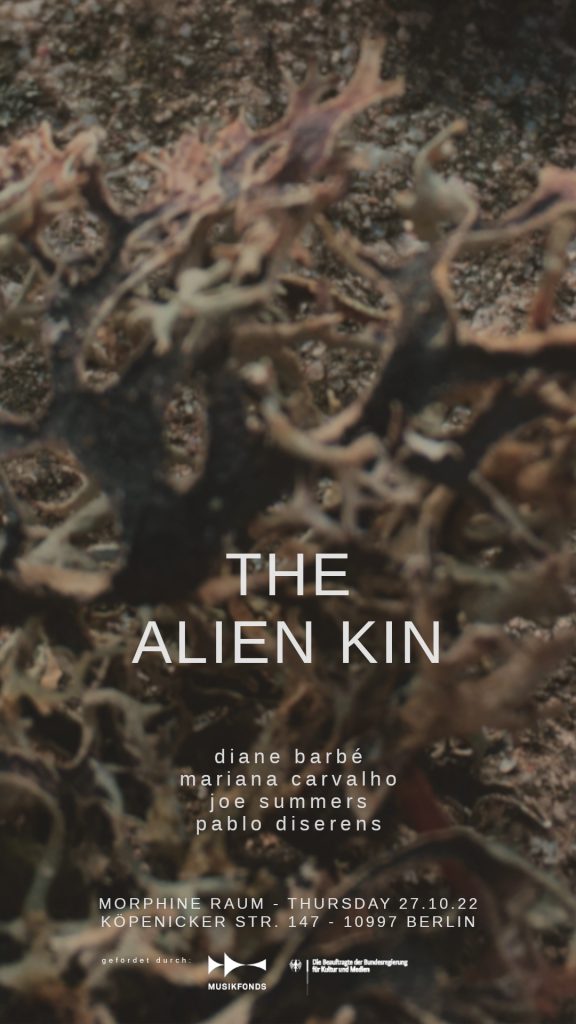
project timeline
2026
Advanced ceramic workshops and group performance during the Journées du Son, ENSA Bourges, France
Ceramic workshops at La Station, Paris, France
2025
Research and instrument building residency at AADK, Blanca, Spain
Workshops and group performance during Campos de Martes, Centro Negra, Blanca, Spain
Workshops and group performance during the Journées du Son, ENSA Bourges, France
2024
Research and instrument building residency at Instituto Sacatar, Bahía, Brasil
Workshops and group performance at Ilha das Crianças, Itaparica, Bahía, Brasil
Workshop and group performance at Seanaps Festival, Leipzig, Germany
2023
Research and instrument building residency at 90mil Berlin, Germany
Group performance at VESSEL, 90mil Berlin, Germany
Research and instrument building residency at Grabowsee, Brandenburg, Germany Research and instrument building residency at Euphonia, Marseille, France
Group performance on Archipel Community Radio, 90mil Berlin, Germany
2022
Research and instrument building residency at Global Forest Kunstverein e.V., Schwarzwald, Germany Group performance at Vogelklang festival, Schwarzwald, Germany
Workshops and performance at Climate Care Festival, Floating University, Berlin, Germany
Recording sessions and group performance at Morphine Raum, Berlin, Germany
the alien kin
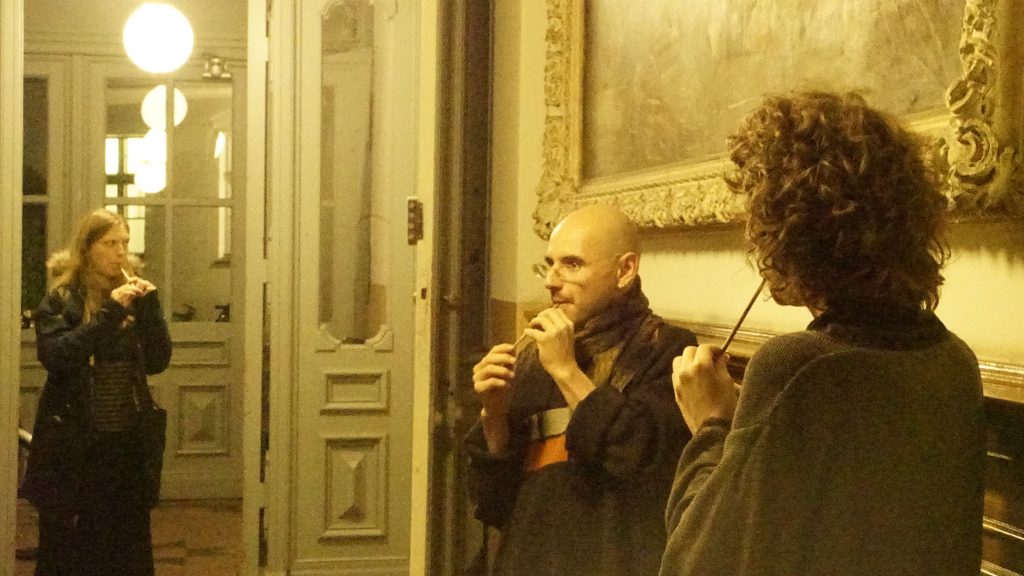
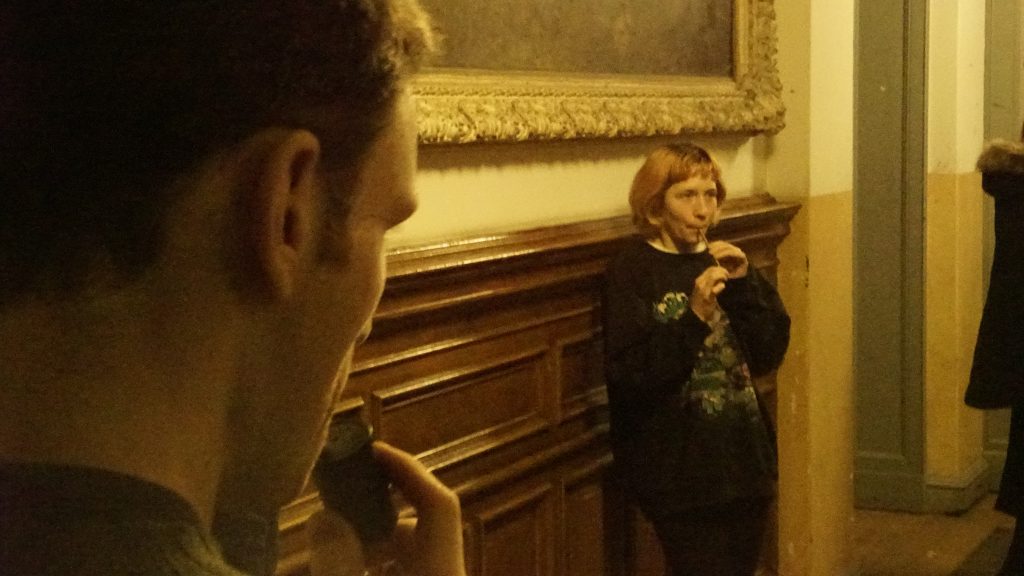
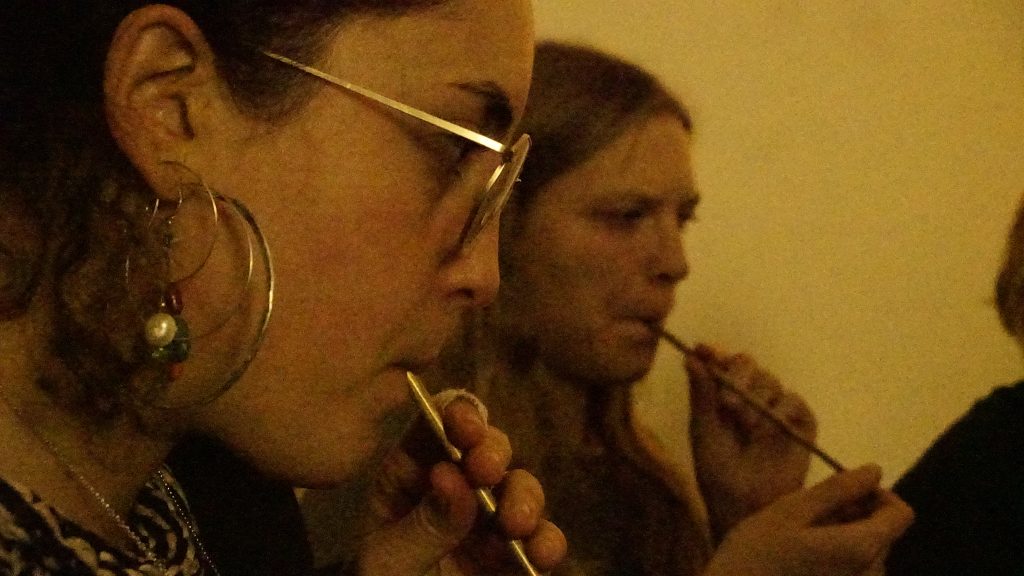
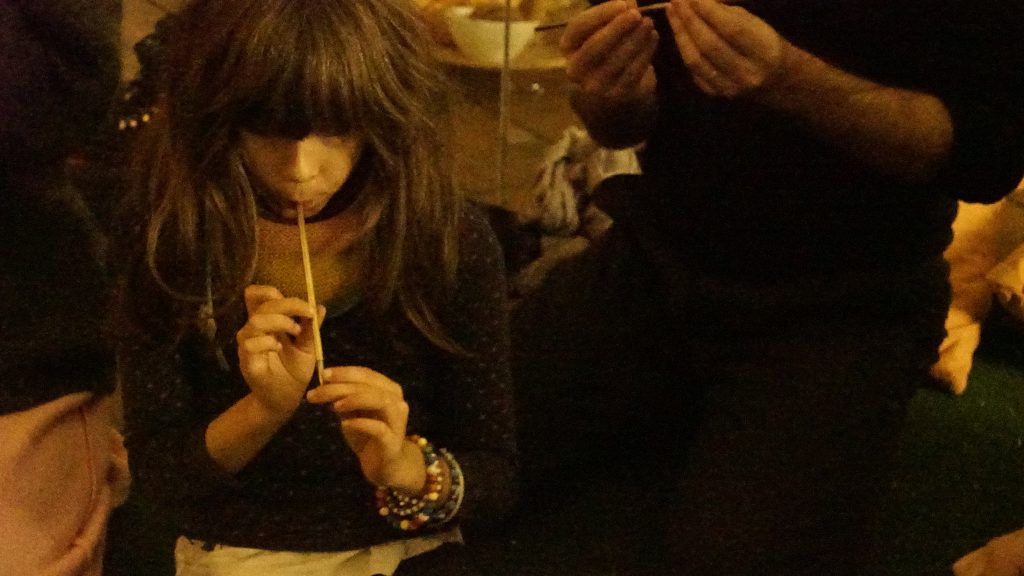
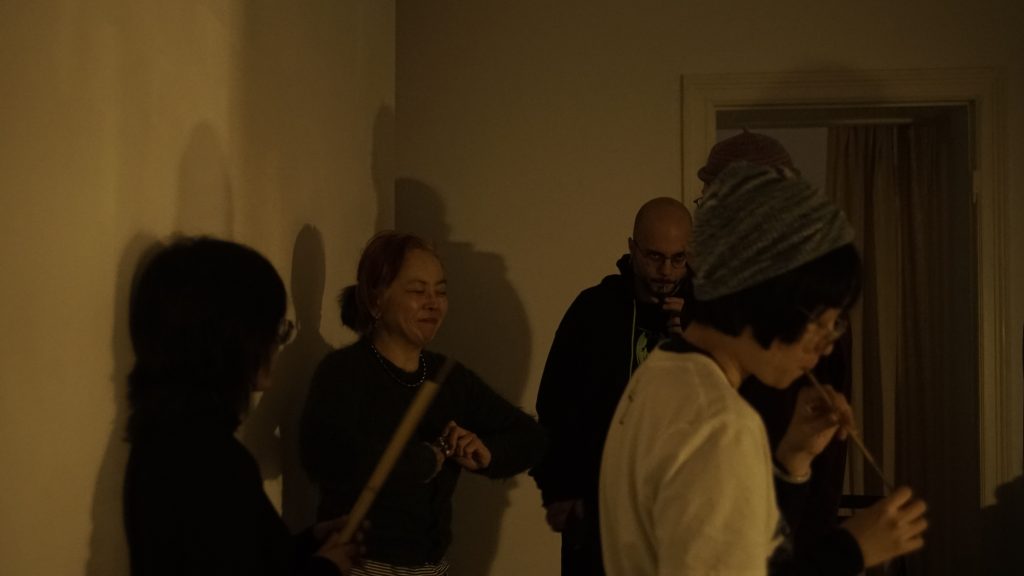
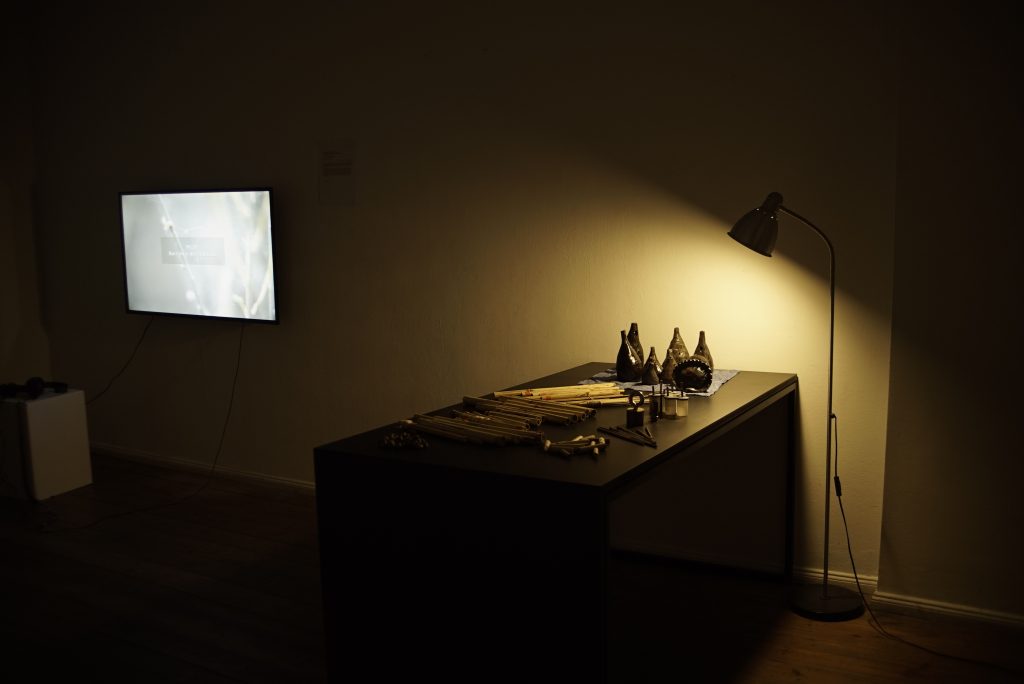
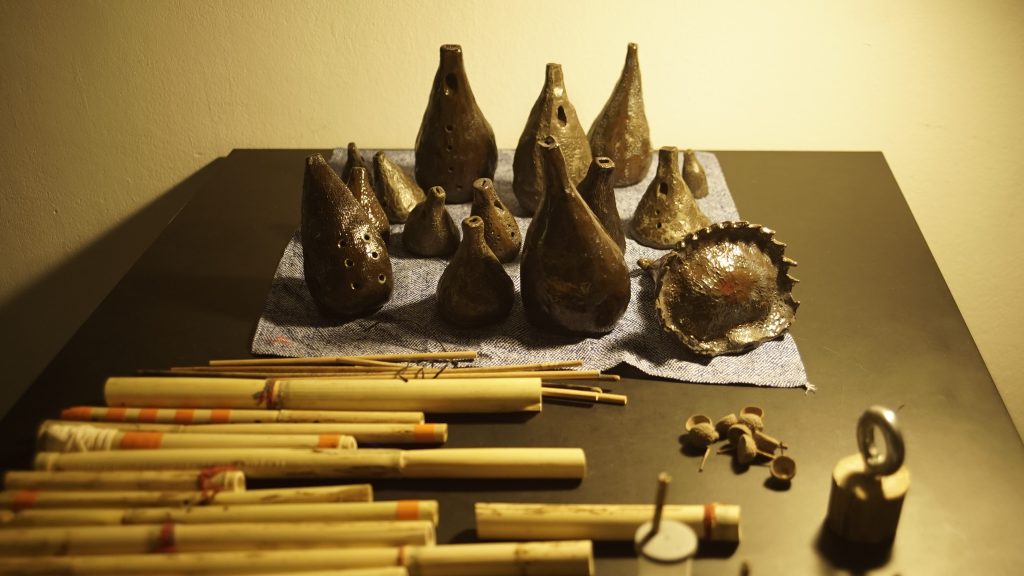
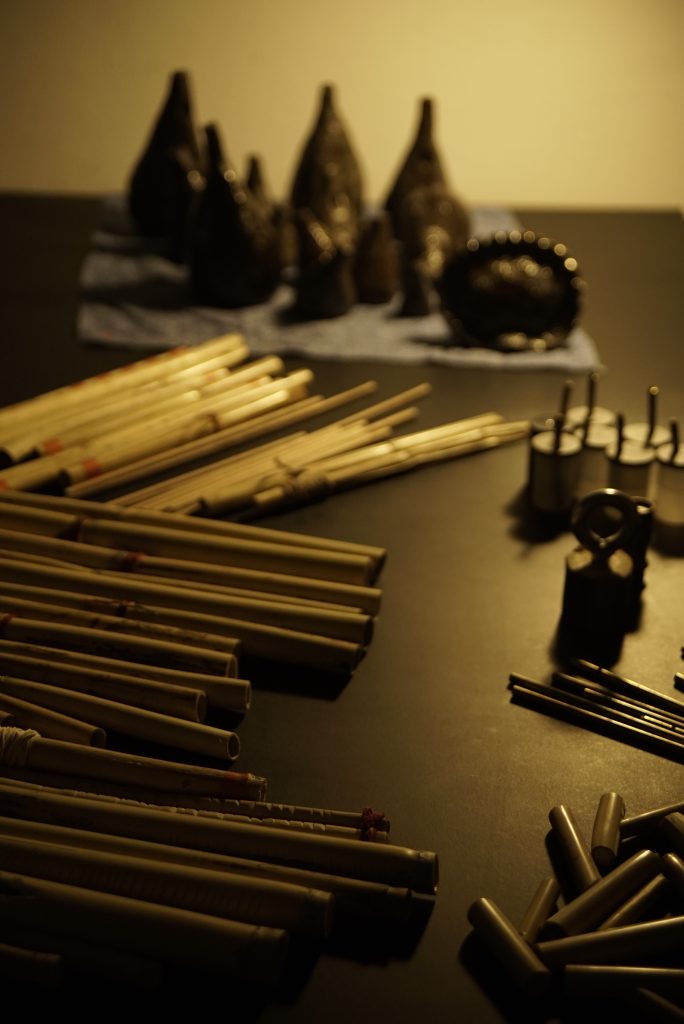
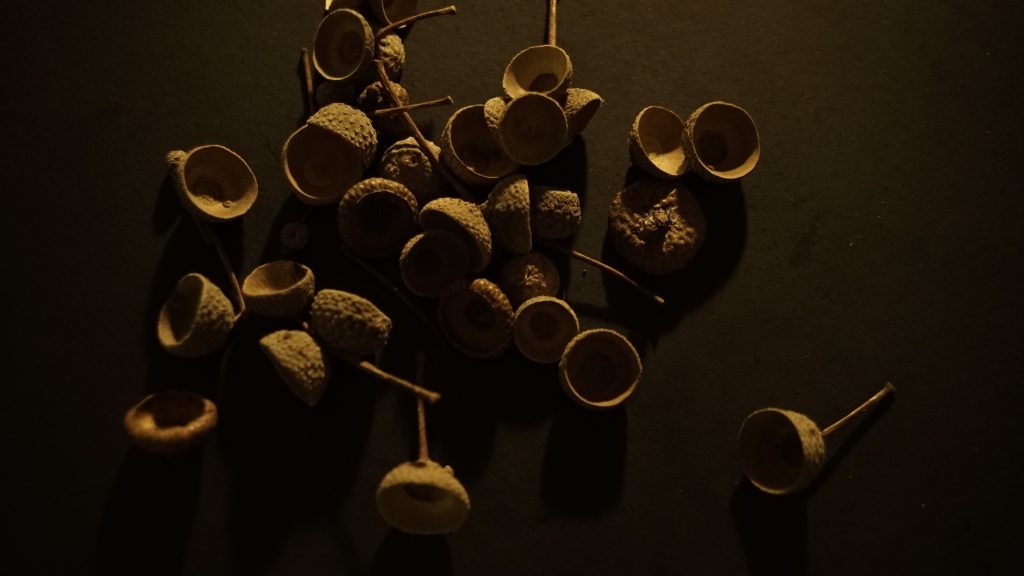

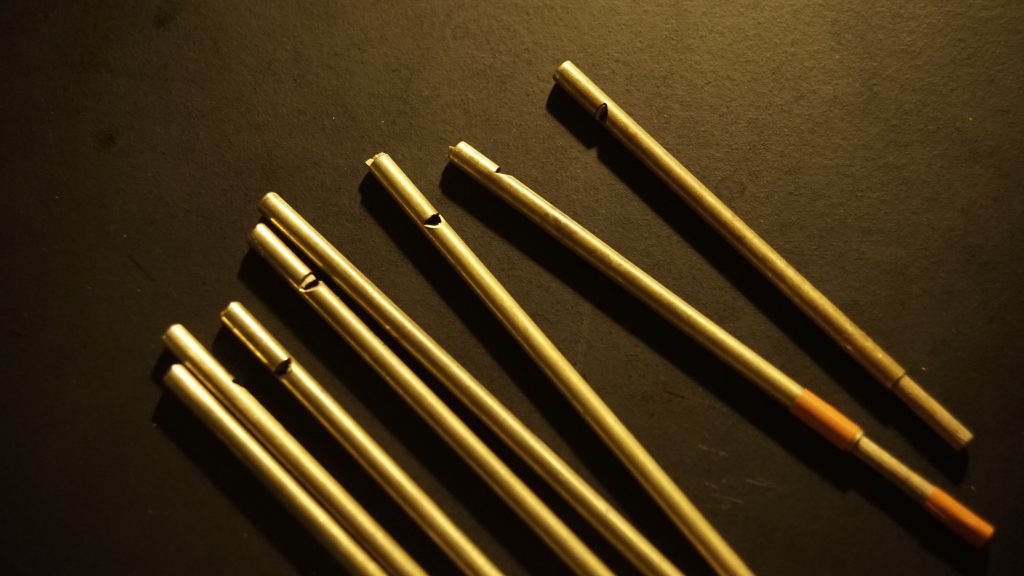


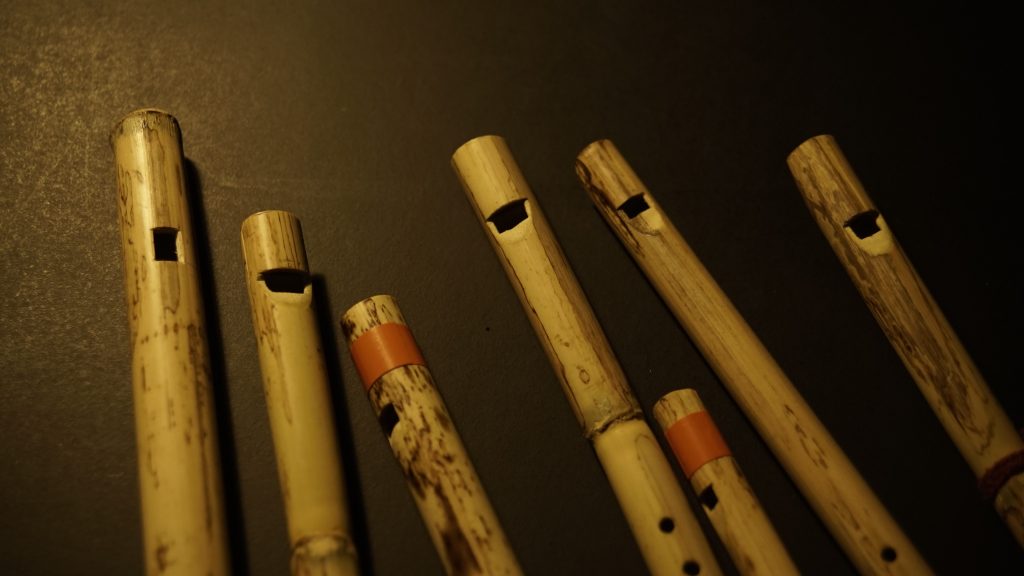
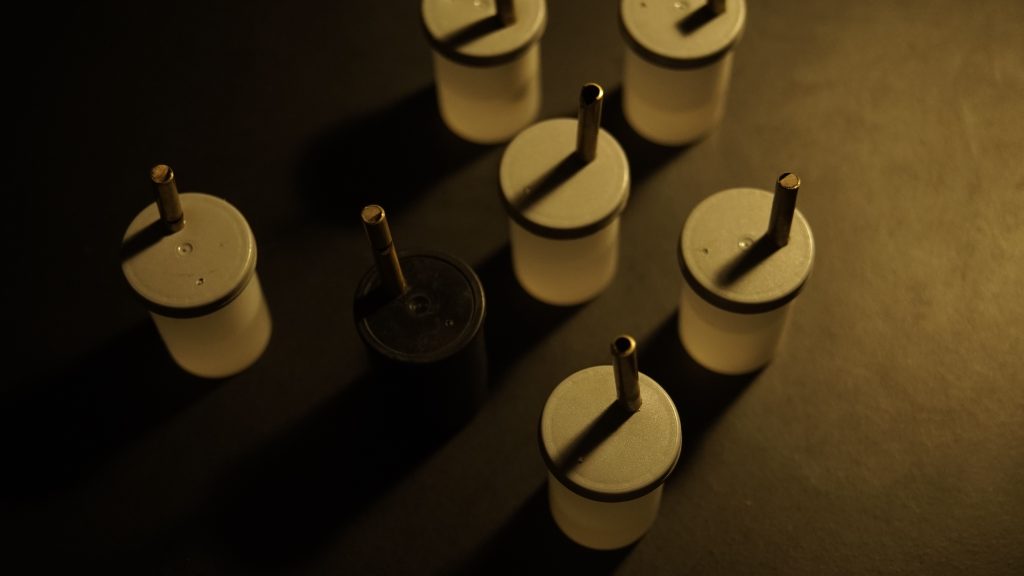
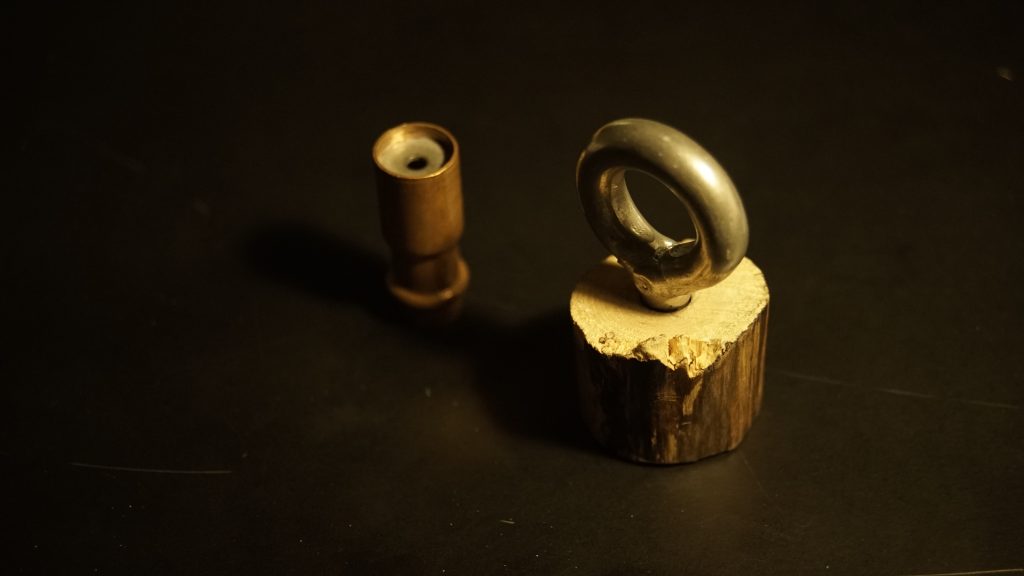
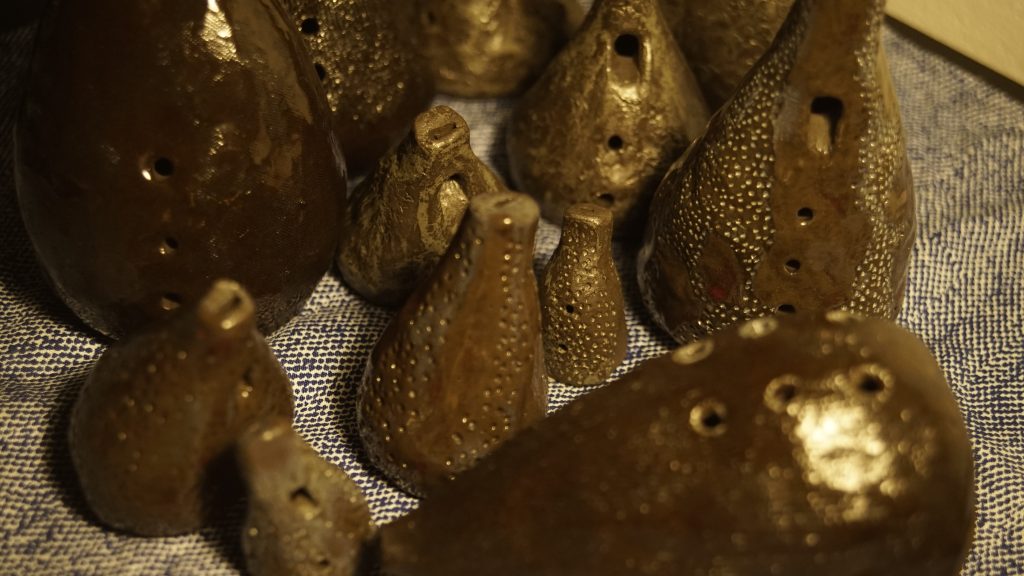
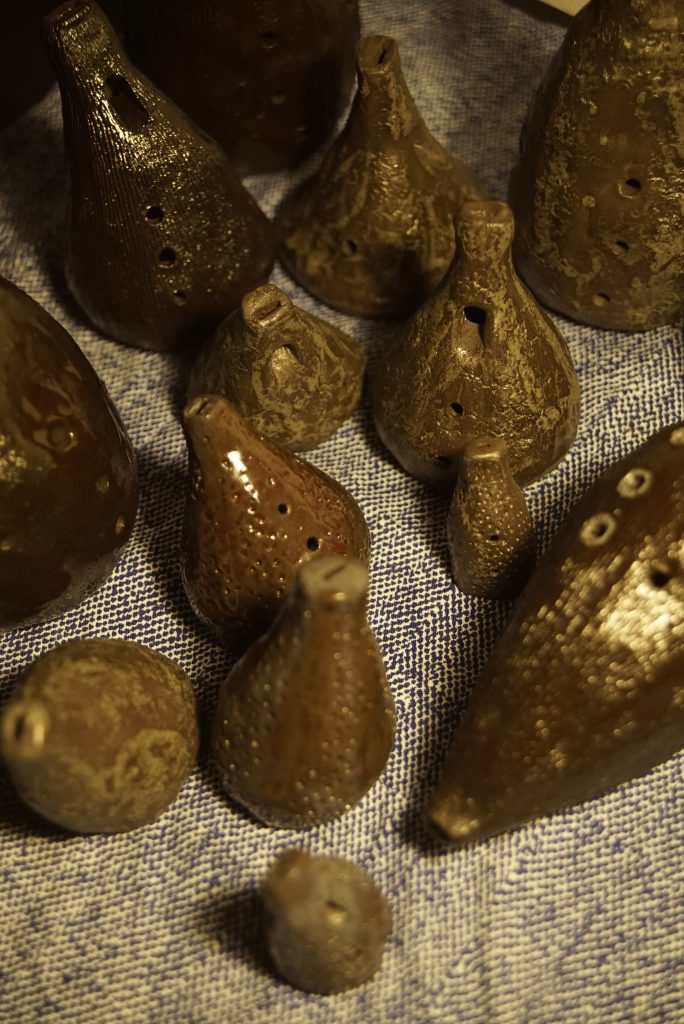
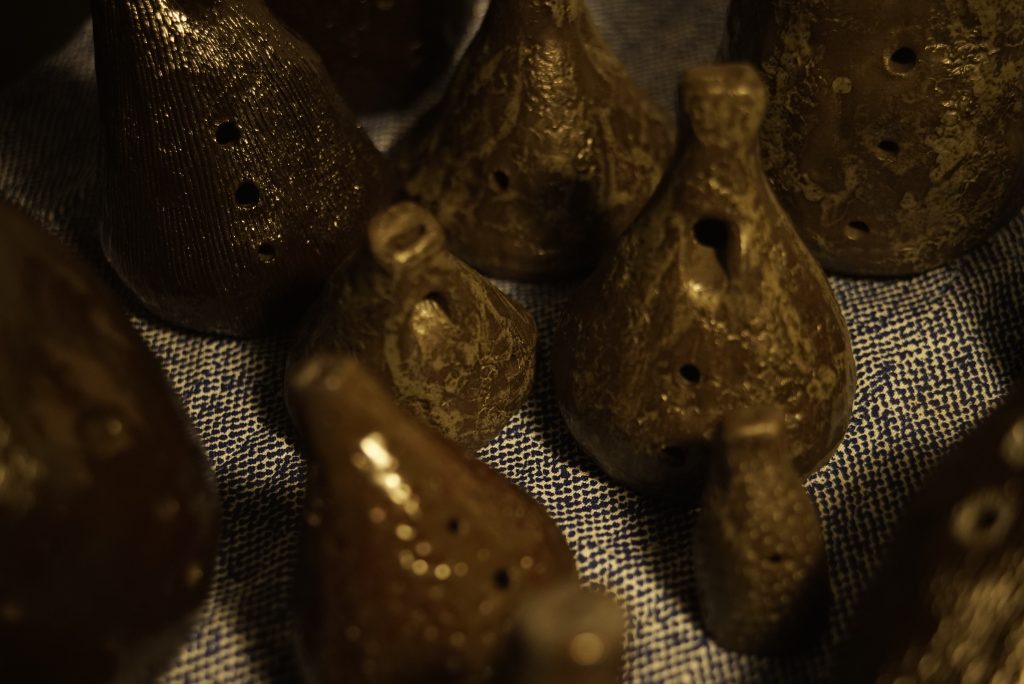
countdown grabowsee, brandenburg, 2023
studio euphonia & couvent levat, marseille, 2023
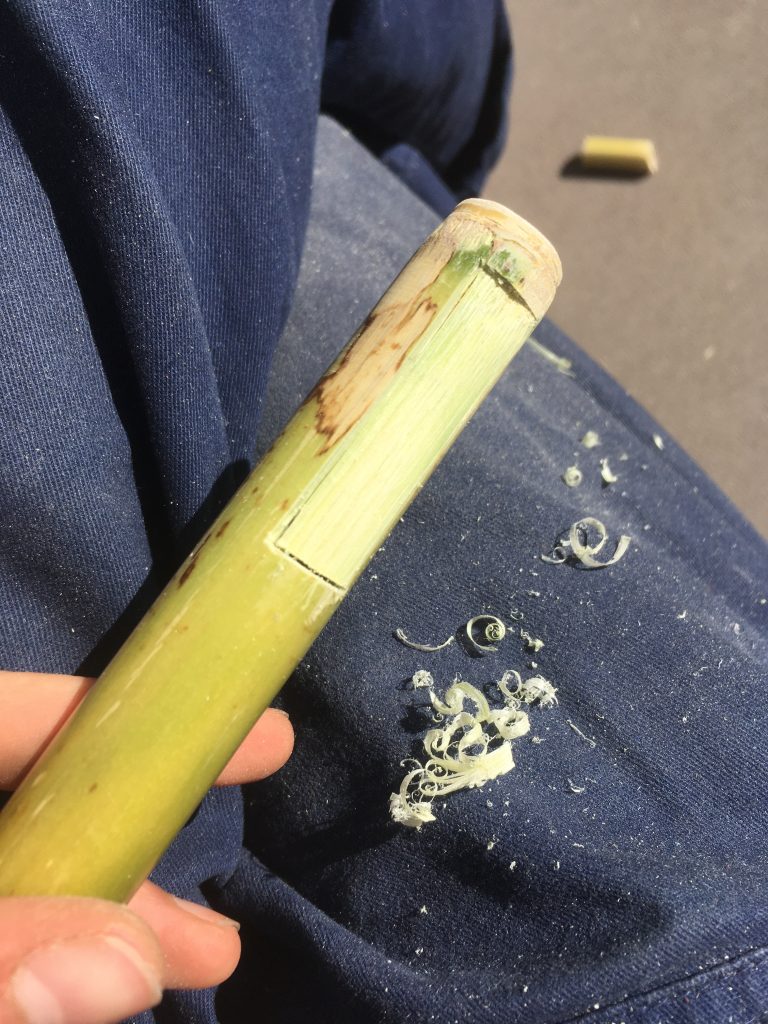
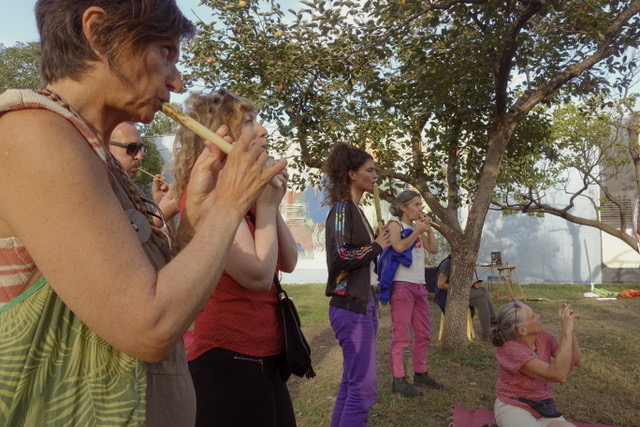
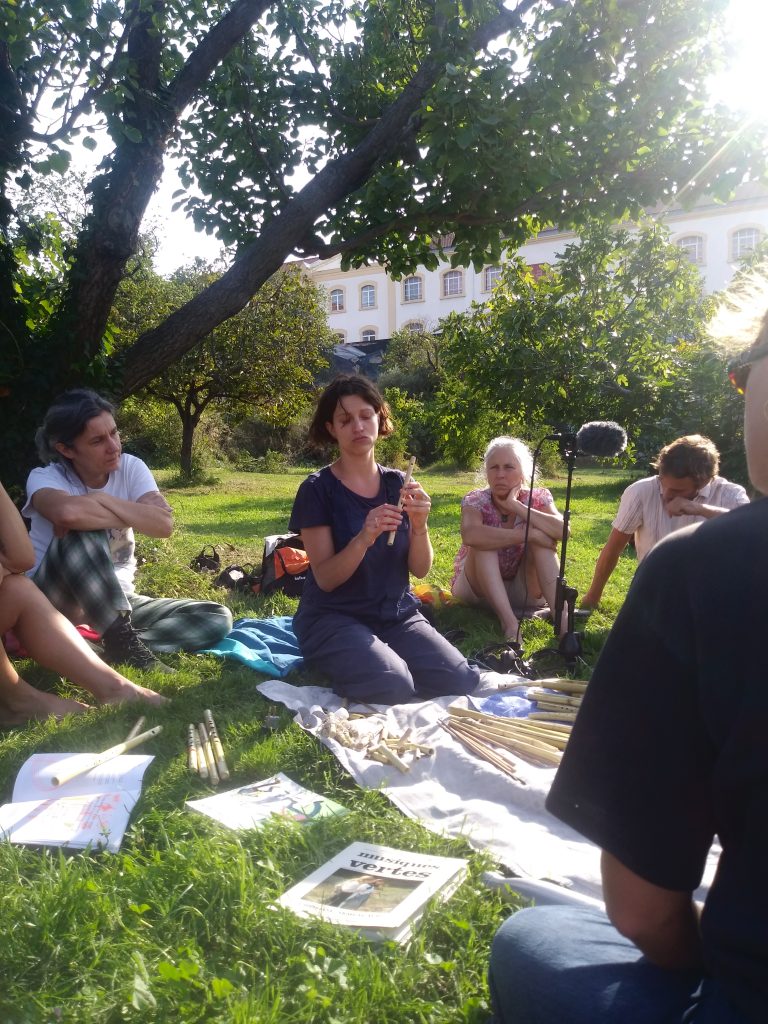
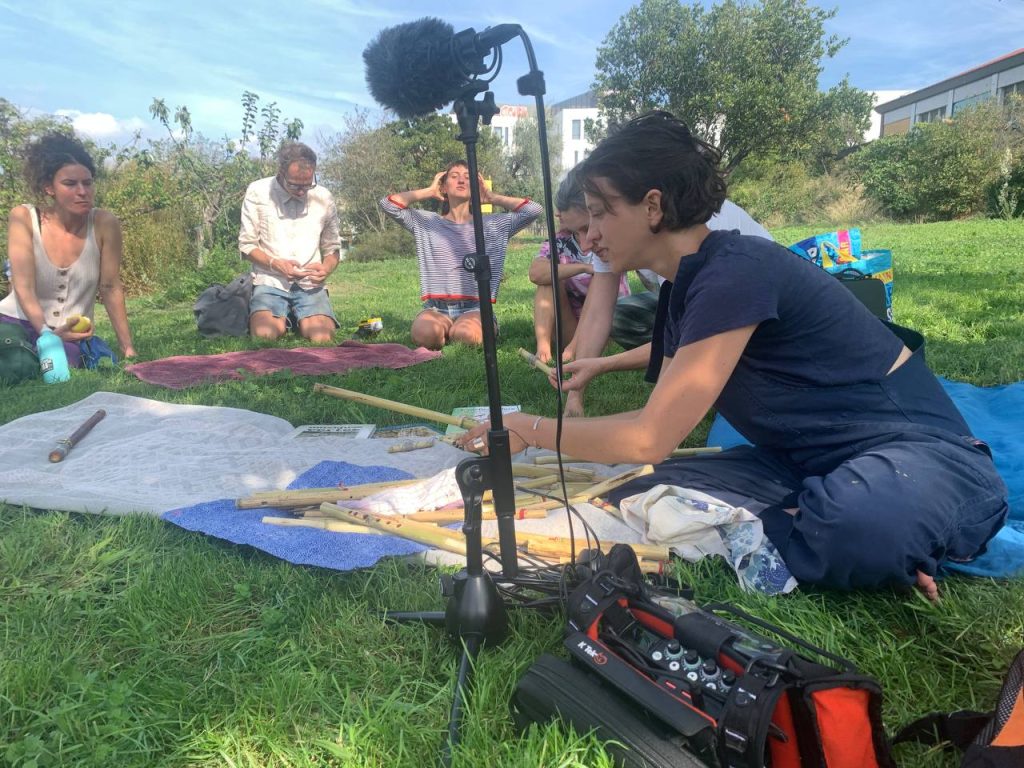
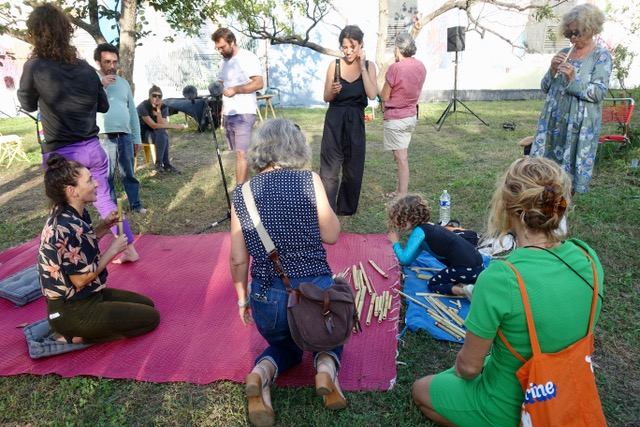
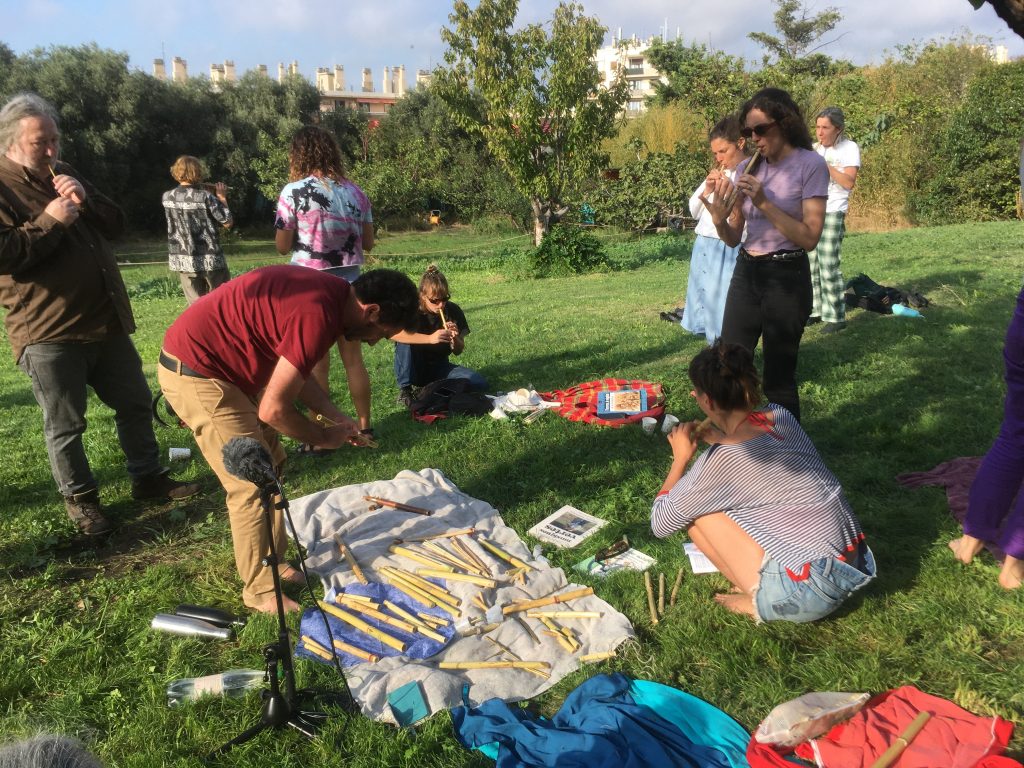
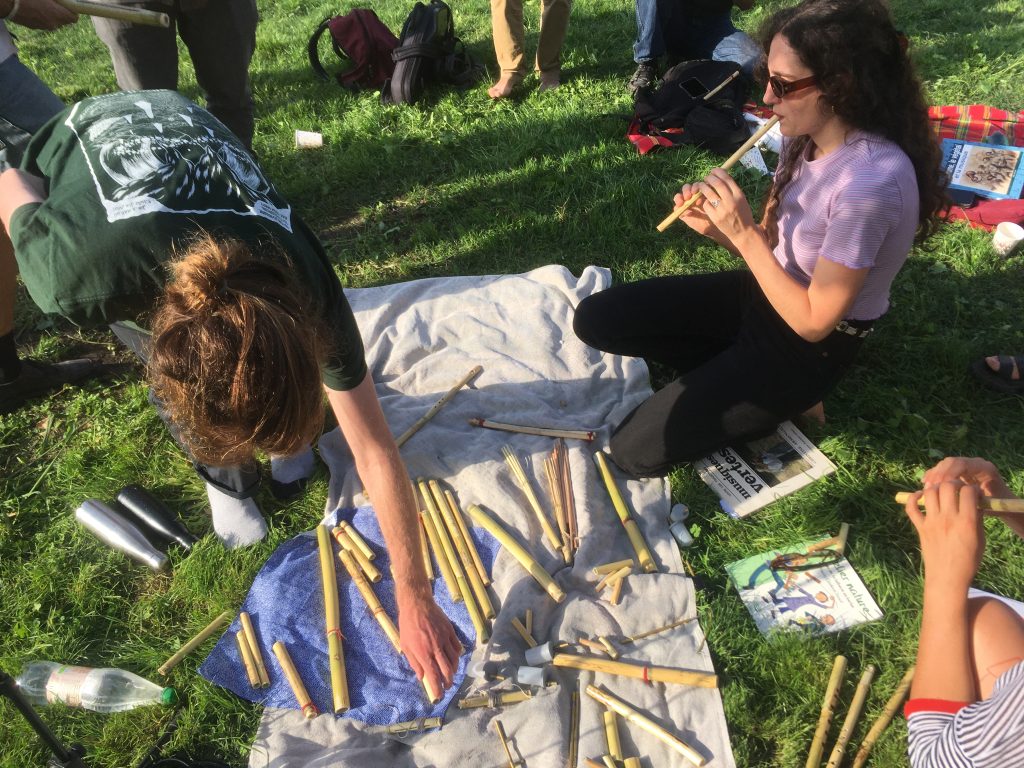
album publication, first terrace records, 2023
90mil berlin, 2023
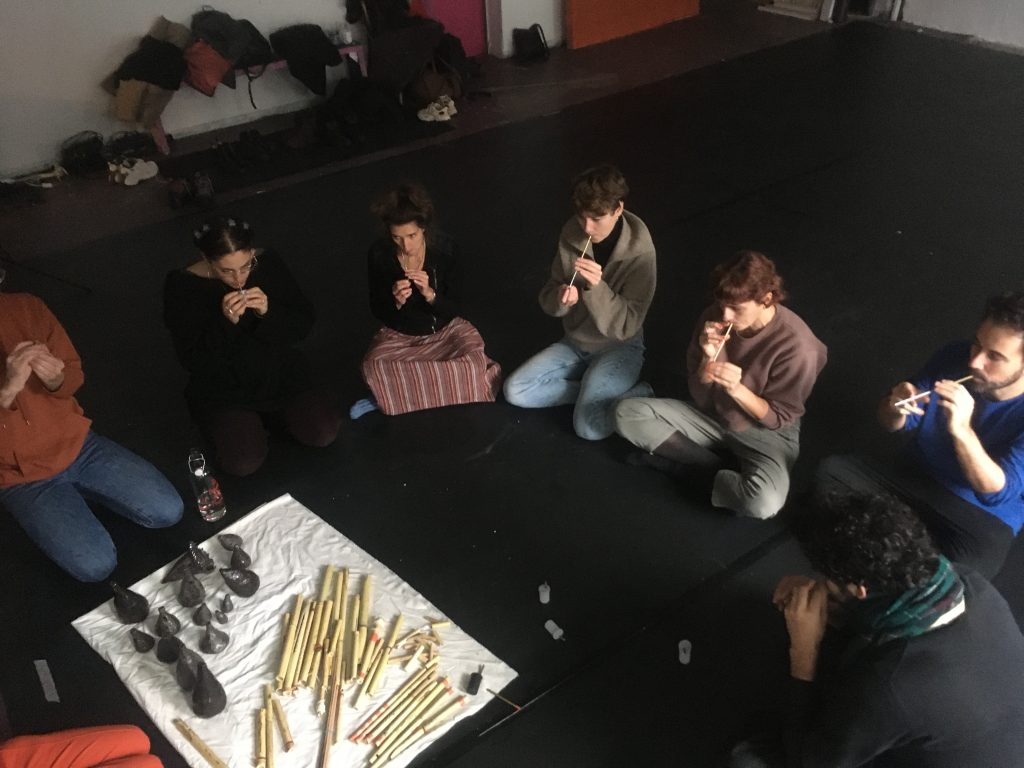
morphine raum, berlin, 2022
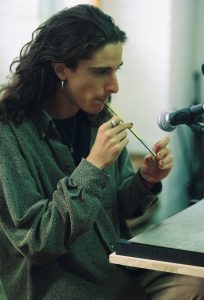
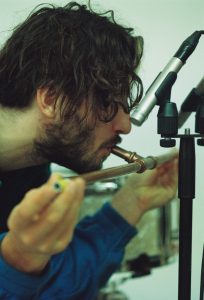
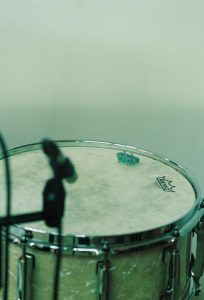
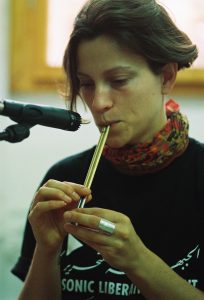

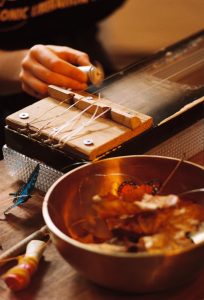
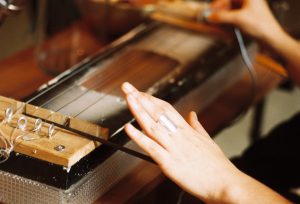
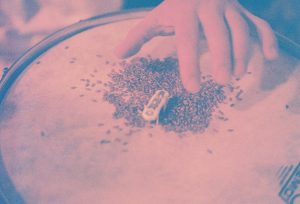
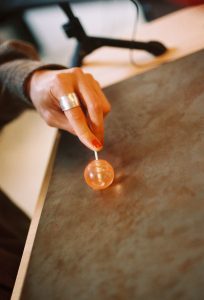
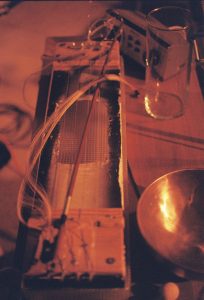

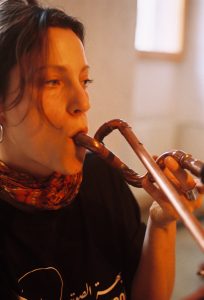
global forest e.V., schwarzwald, 2022